Saturday, December 12, 2020

Queens Is Burning

Impunity City

NY Daily News

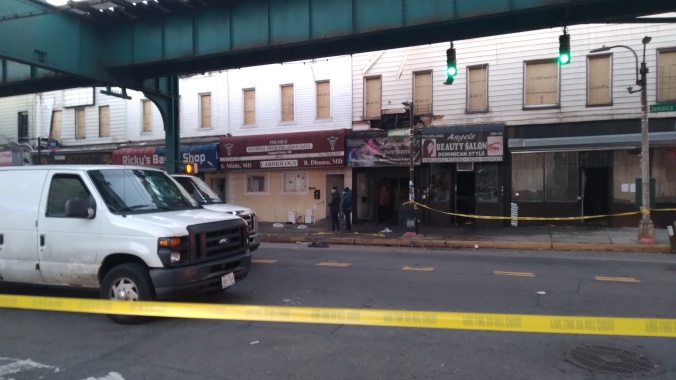
A massive fire tore through six Queens homes early Thursday, displacing 36 residents and injuring three firefighters battling the blaze, officials said.

The flames erupted inside a closed beauty salon on Jamaica Ave. near 110th St. in Richmond Hill around 1 a.m., the FDNY said.


The fire quickly climbed up the two-story building into an attic space, then spread to adjoining buildings.


Trump's childhood home can't raise cash


 Queens Post

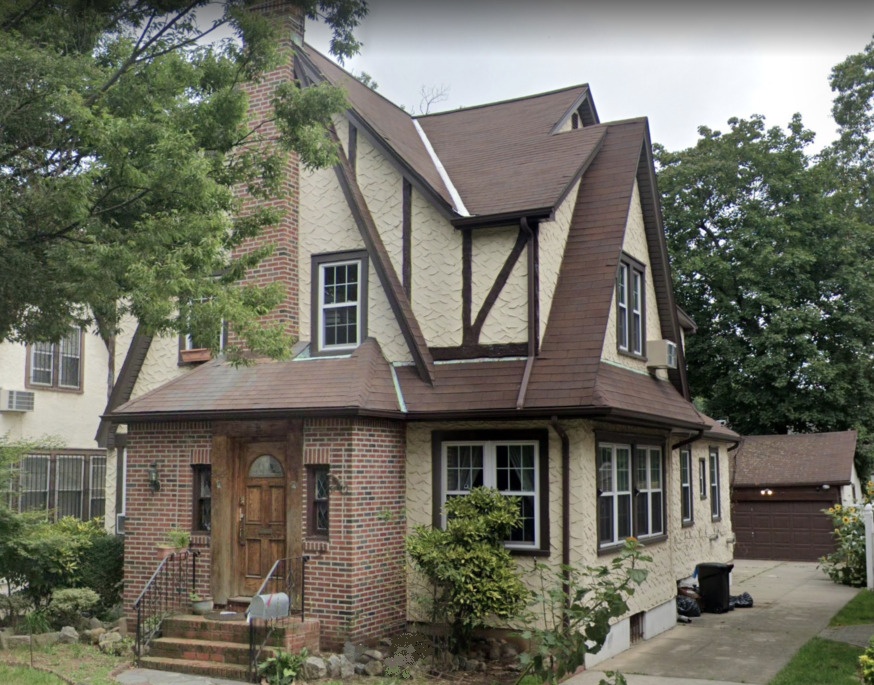
A fundraiser launched last month with the goal to raise $3 million to purchase the childhood home of President Donald Trump appears at this point to be a flop.

The GoFundMe — launched by the real estate company representing the anonymous seller —urges Trump supporters to donate to the fund so the Jamaica Estates house where the president grew up can be gifted to him when he leaves office.

“Love Trump? Thank President Trump by contributing to this campaign to buy his childhood home in his honor!” Paramount Realty USA wrote on the fundraiser page. The $3 million raised would go to the seller.

However, it seems that not even Trump fans want to buy the house.

Only $1,217 — by the time of publication — has been raised by 75 donors in the nearly three weeks since the GoFundMe was launched on Nov. 23.

Paramount Realty USA launched the GoFundMe after struggling to find a buyer.

The five-bedroom Tudor home, located at 85-15 Wareham Pl., was put up for auction in fall 2019, but failed to meet the undisclosed reserve price, the New York Times reported.

Duck and recover

Eyewitness News


Friday, December 11, 2020

Cuomo keeps moving the COVID goalposts


The Daily Poster 

 With cases surging in New York, Governor Andrew Cuomo announced this week that he was canceling all further in-person press conferences. 

“Since the beginning, we’ve talked about the important role the media has played in educating the public about this pandemic,” said senior Cuomo advisor Rich Azzopardi in a statement. “But given the new stricter [Centers for Disease Control and Prevention] guidelines released Friday and the reality of rising cases in New York, going remote is now the most prudent action.”

While the press pool may be breathing a collective sigh of relief, workers across the state are still being compelled to head into offices, schools, and restaurants. 

New York has continued to allow indoor dining as cases increased — though on Friday, Cuomo announced that he will be suspending indoor dining in New York City starting on Monday. 

At the same time, the state has not been providing up-to-date information on the spread — instead, its maps tracking the coronavirus are often not updated or even showing decreases as the pandemic worsens. And as the virus surges, Cuomo suddenly changed the method for evaluating whether areas should be locked down — and the shift would allow more businesses to continue forcing employees back to their workplaces.

New York is experiencing a surge of COVID-19 cases similar to the wave it recorded in the spring when Cuomo’s late shutdown saw hospitals and morgues overwhelmed. Unsurprisingly, much of that surge is represented in New York City where less than 20 percent of hospital beds are vacant compared to 23 percent statewide.

Despite the surge, employers across the state have been calling workers back into offices, schools, and restaurants. Some remote-capable employees have also been compelled back. These workers face a difficult choice between their health and their financial security at a time when more than 19 million Americans are receiving unemployment aid.

Cuomo's requiem for restaurants


 NY Times


Indoor dining will once again be barred in New York City restaurants starting on Monday, Gov. Andrew M. Cuomo said on Friday, a significant reversal of the city’s reopening that comes as officials try to halt the escalation of a second wave of the coronavirus.

The decision, which Mr. Cuomo earlier this week suggested was all but certain, is a crushing blow to the city’s restaurant industry, a vital economic pillar that has been struggling all year in the face of pandemic restrictions and a national recession.

As he announced the new restrictions, the governor called on federal lawmakers to provide relief to the hospitality industry. Congressional leaders have struggled to reach an agreement on a new economic stimulus package.


“The federal government must provide relief to these bars and restaurants in this next package,” Mr. Cuomo said at a news conference.

For months, New York City’s restaurant owners have warned that their businesses, many of which operate on tight margins in the best of times, are on the edge of financial collapse. Thousands of employees, many of them low-wage workers, have been laid off since March, and their jobs have yet to fully return.


The industry’s anxieties are only mounting as winter approaches and frigid temperatures threaten to deter customers from dining outdoors. Industry groups have called repeatedly for federal or state financial assistance, with restaurant and bar owners watching nervously as stimulus talks drag on in Washington.


Just the facts, Sfaccim!

Today, Governor Andrew Cuomo announced that as of Monday, restaurants in NYC will be closed for indoor dining. Why? Because 1.43% of COVID cases in the entire state have been contact traced to them. Countless NYC restaurants are expected to permanently close because of this and unemployment will skyrocket again.
Restaurants in the rest of the state, where numbers per capita are a lot higher and there are fewer hospital beds, may continue indoor dining. This is supposedly because NYC hospitals are being overwhelmed, however, upon checking the NYCDOH data, it appears that at the height of the pandemic, when we folded up tent hospitals and shooed a US Navy ship away, hospitalizations were >12,000. Currently, they are less than 15% of that rate.
YOUR ELECTED OFFICIALS ARE DOING NOTHING ABOUT THIS STUPIDITY.

Thursday, December 10, 2020

No, you are wrong Cuomo


Gothamist

In New York and beyond, the coronavirus pandemic has ushered in an unusual new conversance with public health metrics, with government officials now using testing and hospitalization data as a gauge for the severity of the virus and important policy decisions.

No metric has drawn more attention—or controversy—than the positivity rate. The number, which measures the percent of tests that turn up positive and serves as a proxy for infection rate, has been used to justify economic reopenings as well as business and school shutdowns.

For example, Governor Andrew Cuomo has said that he would order schools to close should local positivity rate rises above 9 percent, an increasingly likely possibility given the surge of infections.

In spite of the high stakes, New York state officials have been calculating positivity on a flawed basis, according to several experts. The criticism stems from the state's decision to fold in a type of rapid test known as antigen tests, which are less sensitive than polymerase chain reaction (PCR) tests.

"That's not what the professional guidance is," said Dr. Jay Varma, Mayor Bill de Blasio's top health adviser. "It's not what the WHO does or the CDC or the Council of State and Territorial Epidemiologists does."

The Council of State and Territorial Epidemiologists, which advises the Center for Disease Control and Prevention and other health agencies, has said that a positive antigen test should be considered a probable case of COVID-19, not a confirmed case. In turn, the CDC has defined its positivity rate as based on PCR tests only.

Despite the limitation of antigen tests, their benefits are clear: the tests can provide results within 15 minutes and can cost as little as $5, whereas PCR tests cost around $100 at national labs. Antigen testing has proliferated across the country in nontraditional testing centers, like schools and nursing homes, especially as the demand for testing increases.

In New York City, the tests are now available at pharmacies, CityMDs and doctor's offices. Drawn by their quick turnaround time, many people are unaware of the caveats.

During a recent seven-day period, there were nearly 88,000 antigen tests performed in one week, although city health officials cautioned that not all antigen test results are being reported to the city.

According to Cuomo, the state performs “hundreds of thousands" of antigen tests per week.

Dr. Ian Lipkin, a renowned epidemiologist at Columbia University and testing expert, agreed with Varma that antigen tests should be separated from PCR tests. The latter are currently considered the gold standard in terms of accuracy.

"You need to distinguish those clearly," he said. "It's reasonable to say these are PCR, these are antigen, but I don't think you should mix the two."

Cuomo blames Staten Island, but data says something else

From AMNY:

Not for lack of political willpower, Staten Island has come to represent 25% of all COVID-19 deaths in New York City amid the second wave of the pandemic, even though the borough represents just 5% of the city's population. Governor Andrew Cuomo, during a Wednesday press conference, emphasized the political nature of this reality as a direct result of misdirection from local leaders taking opposition to guidelines from the Centers for Disease Control and Prevention, which have influenced some of the measures put in place by the state limiting dining and other activities.

Okay, now here's the actual data from NYCDOH's site as of yesterday.
Looks like a total of 20 COVID deaths per day in the entire city.
Bronx has about 3 deaths per day, Brooklyn has 4.
Manhattan has about 2 deaths per day, Queens and Staten Island have 4.

So it's been a while since I had 3rd grade math, but how does Staten Island have 1/4 of the deaths in NYC when 4/20 is not 25%?

Isn't 20 deaths a day relatively small compared to where we were back in April?

Now, let's do hospitalizations.
This doesn't really look all that skewed.

On 12/1, the city had 4088 new cases, while Staten Island had 342. This translates to ~8% of infections. Two other boroughs have roughly the same number of deaths that SI does but a lot more cases. If the death rate on SI is worse than anywhere else, the reasons probably have more to do with the overall health of the population and the quality of the care there than "if only they had worn masks!"

So, why are you reading all of this here rather than in the paid media who investigates nothing Cuomo says?

Wednesday, December 9, 2020

City Council approves Flushing Creek luxury housing and hotel plan


 QNS

The City Council’s Subcommittee on Zoning and Franchises and its Committee on Land Use on Wednesday, Dec. 9, voted in favor of approving the Special Flushing Waterfront District — a 29-acre proposal that would bring waterfront access, environmental cleanup and new development to a decades-long isolated and polluted section of downtown Flushing.

The proposal will now move forward to the full council for a final vote on Thursday, Dec. 10. 

After delaying the vote on the matter in recent days, the council’s Subcommittee on Zoning had announced reaching a deal with the labor unions, Hotel Trades Council (HTC) and SEIU 32BJ, to ensure good jobs, community benefits and more for the Special Flushing Waterfront District (SFWD).

According to Councilman Francisco Moya, chair of the Subcommittee on Zoning, it was imperative for the committee to reach a deal that met with the union’s demands. 

“As I stated from the very beginning, it would have been irresponsible to approve this application without commitments to provide good-paying jobs for local community members and deep community benefits like real affordable housing,” Moya said. “I have always stood by my brothers and sisters in labor, 32BJ and HTC.” 

The developers of SFWD — F&T Group, Young Nian Group, United Construction and Development Group known as FWRA LLC. — said they have worked tirelessly with community members for years to activate what is currently an empty and polluted waterfront and finally give Flushing the future it deserves.

“This is a pivotal vote for New York City’s economic recovery, especially for a hardworking immigrant community like Flushing,” the group said in a statement. “We deeply appreciate the Council members’ support in moving Flushing forward, particularly the leadership of Council member Peter Koo, Chairs Francisco Moya and Rafael Salamanca, and Speaker Corey Johnson.”

 That hotel might actually come in handy with all the homeless people that will be produced from the gentrification this will cause. Especially with rents going up in Flushing during a pandemic. Happy Holidays.

Cuomo doubles down against Jamaica Bay dredging bill


QNS

 Earlier this month, Governor Andrew Cuomo once again vetoed a bill sponsored by state Senator Joseph Addabbo and Assemblywoman Stacey Pheffer Amato aimed at increasing the standard of dredging materials that are placed into Jamaica Bay’s borrow pits.

The two-part bill would end the sunset clause on the original bill to protect the bay, so it would be permanent law in New York state instead of being voted on every two years. It also seeks to change the criteria for filling the Jamaica Bay borrow pits to comply with federal Ocean Dumping Act criteria.

“Even though the governor vetoed this bill again, I intend on reintroducing it next year and then continue to negotiate with the state agencies,” Addabbo said. “After seeing the incredible improvement of the water quality of Jamaica Bay, with advocates saying the bay is the healthiest it has been in decades, and with the reemergence of marine wildlife to the area, Assemblywoman Pheffer Amato and I believe the sunset clause on this bill should be removed and it should be made permanent.”

Borrow pits, also known as a sandbox, is an area where material such as soil, gravel or sand has been dug up for use at another location. In a veto statement, Cuomo said the legislation would change the criteria for filling Jamaica Bay borrow pits to comply with the federal criteria for the unrestricted ocean dumping of dredged material, which is not applicable to Jamaica Bay.

“The battle is not yet over,” Pheffer Amato said. “While I am disappointed that Governor Cuomo has vetoed this crucial legislation for the protection of Jamaica Bay, I’m looking forward to the restart of the legislative session so we can reintroduce this bill, and work with Senator Addabbo and the governor’s office to finally get this through the finish line. I also want to thank all of the advocates that have tirelessly worked on behalf of Jamaica Bay, and let them know that our work is just beginning.”

 Believe the science and know the facts, but only when it's expedient for Mario's Son


Cuomo announces Black Monday lockdown to restaurants and bars

Greenpoint Post

Indoor dining in New York City could close once again if the city’s hospitalization rate continues to rise, Governor Andrew Cuomo announced today.

The governor said if the rate does not stabilize within five days indoor dining would close. The closure could come as early as next Monday, Dec. 14, he said.

Cuomo said that eateries would get a warning before the shutdown went into effect. Currently, restaurants are limited to 25 percent capacity.

The New York City hospitalization rate has been increasing for weeks — and is expected to climb, Cuomo said.

“We are looking at continued increases through from now through mid-January,” Cuomo said, noting that the holidays will lead to an uptick in new coronavirus cases.

Queens rents take a dip


 Jackson Heights Post

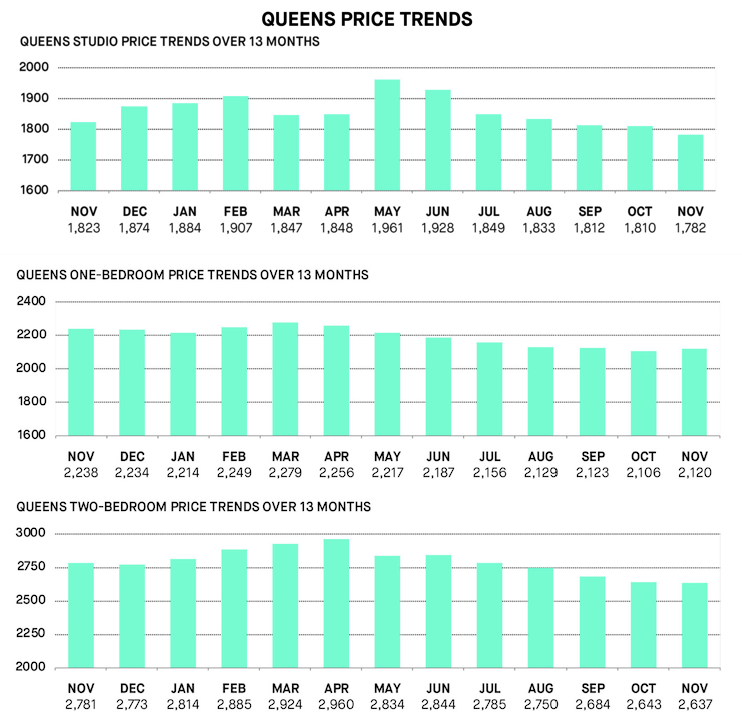
The cost to rent an apartment in Queens has dropped more than 4 percent in the past year, according to a new report.

The average amount paid to rent a studio, one-bedroom or two-bedroom apartment was down across the board, compared to the same time last year, according to a report released by the real estate company MNS.

Some neighborhoods saw a particularly steep price drop in rental prices, such as Long Island City and Astoria, while others like Jackson Heights, Jamaica and Rego Park were mostly unchanged year over year.

Meanwhile, Flushing saw a slight uptick in rental prices from last year to this year and Ridgewood also saw a small increase in the price of studios and two-bedroom apartments.

Boroughwide rent prices fell for studio, one-bedroom and two-bedroom units, according to the Queens Rental Market Report.

The average rent paid for a studio apartment in Queens was $1,782 last month — down by 2.3 percent from $1,823 in November 2019, the report states.

The city is chipping away funding from Rikers Island closing.


THE CITY

 The city’s latest funding plan strips more than $500 million from construction of four new jails — with a building timeline that could extend two years past Mayor Bill de Blasio’s pledge to shut Rikers Island by 2026.

The capital budget commitment plan, published by the Office of Management and Budget last month, outlines $8.16 billion over 10 years for the “Borough-Based Jail” plan, which seeks to build new state-of-the-art correctional facilities in every borough except Staten Island.

That figure is down by about $520 million from $8.68 billion allocated in April.

“The city should be speeding up, not slowing down, the closure of the dysfunctional jails on Rikers,” said former Chief Judge Jonathan Lippman, who led a panel that called for the closing of Rikers.

He argued that the need to close the jailsT complex by the East River “has only grown more urgent” during the pandemic, which has “sharpened focus on racial equity.”

The city’s latest financial documents detail a timeline that wraps up two years after the original 2026 target end date.

The budget’s final construction is slated for completion in June of 2028.

That 2028 fiscal year also encompasses the previous end date of August 2027 that surfaced with a revised City Hall timeline. But the new timeline now would allow construction to carry into the 2028 calendar year.

Crappy anniversary


Monday, December 7, 2020

Maya Wiley's media electioneering wiles

Maya Wiley: If I'm President Trump I'm Losing Sleep & Dreaming Stripes. |  The 11th Hour | MSNBC - YouTube

 NY Post

Maya Wiley left a cushy contributor’s job at MSNBC in July so she could launch her campaign for NYC mayor, but you’d never know she exited the left-leaning network from all the airtime she continues to get.

Since departing from her official role at the channel, the former counsel to Mayor de Blasio has made no fewer than 18 appearances — enraging her mayoral primary rivals and earning criticism from media ethicists.

A Post review of clips found Wiley, 56, appears on shows across the network, mornings and evenings and on weekends. She is frequently introduced as a “legal expert” or professor at the New School. Her work for de Blasio comes up from time to time. But in some instances, she is identified by show anchors as a city mayoral candidate.

“She is getting more airtime than most of the other figures that have declared or said they’re interested. It’s a problematic leveraging of the relationship that she previously had with MSNBC,” NYU Journalism Professor Mohamad Bazzi told The Post. “As Donald Trump taught all of us, these appearances are a gold mine.”

Her arrangement on MSNBC has become a source of increasing irritation to Wiley’s rivals. At least one major campaign has already complained to network management about the Wiley situation, a rival campaign staffer told The Post, requesting anonymity.

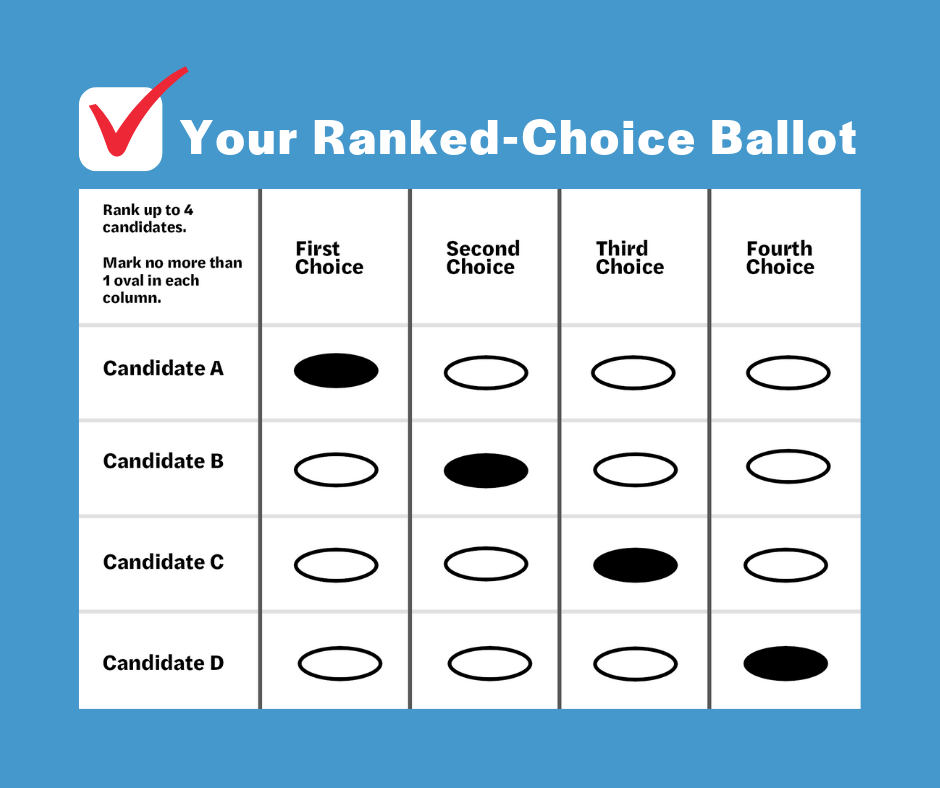
The issue is delicate in the age of ranked-choice voting, as potential competitors struggle to take shots at opponents while still making themselves palatable as a second choice option to the supporters of those opponents.

Campaign reps for Wiley’s most serious rivals, Adams and Stringer, declined to comment.

“With New York facing so many challenges, all media outlets should make the effort to give equal time to all candidates so that New Yorkers can make informed decisions on their vote for mayor,” city Councilman Carlos Menchaca, another mayoral aspirant who’s gotten no MSNBC air time, told The Post.


Sunday, December 6, 2020

Shanda! That's a lot of shekels for synagogue property


Queens Post 

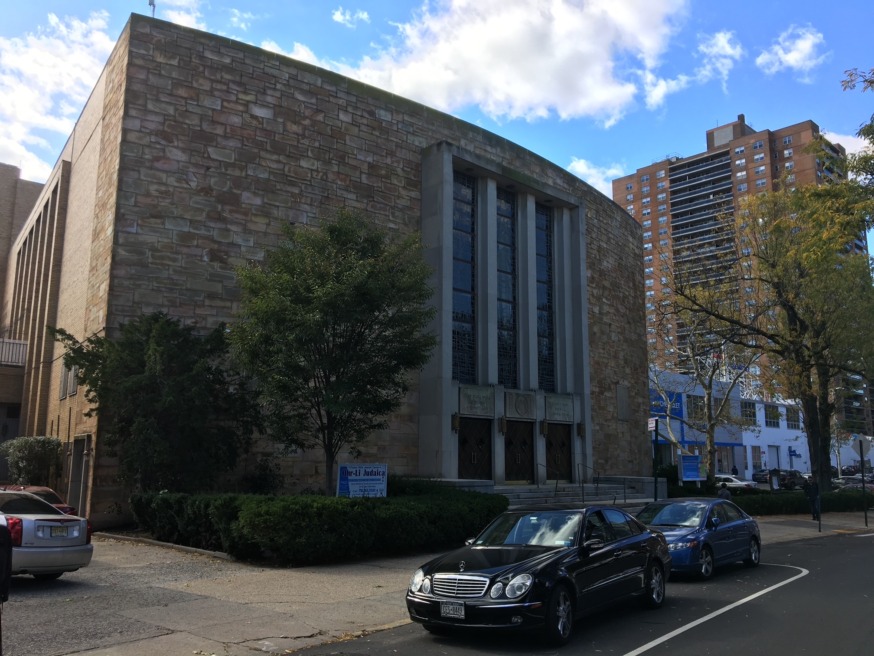
 The Forest Hills Jewish Center is on the market for $50 million.

The 106-06 Queens Blvd. property has been listed with Manhattan-based B6 Real Estate Advisors and is being marketed as “a prime block front development site located in the heart of Forest Hills.”

The property has hit the market about a year after the synagogue scrapped plans to redevelop the site itself.

The synagogue, along with a real estate firm, initially planned to demolish the property and build a 10-story mixed use building that would include space for the center. However, the plans were shelved after the center had a disagreement with the developer.

Deborah Gregor, the executive director of the center, said the synagogue reached out to the B6 Real Estate about two weeks ago to have the property listed. She did not disclose why the center chose to sell the property, as opposed to develop the site itself.

The center, which houses a synagogue, classrooms and other services, encompasses the entire block front on the east side of 69th Road between Queens Boulevard and Austin Street. Much of the site consists of a four-story building.

The congregation was founded in 1931 on Kessel Street, and moved into its current building in the late 1940s. The synagogue can seat 1,200 to 1,300 congregants and the center serves about 500 families.

The property is situated within a C4-5X, FH (R7X equivalent) zoning district as well as a Qualified Opportunity Zone.

The state and city covid map discrepancies are obvious


Noticeable how nearly the entire borough of Queens (with the exception of the Rockaways) is designated as a cluster while only the mid-south section of Brooklyn gets marked as such, even though there are areas darker than most of the isolated risky areas in the world's borough

City's and State's color-coded maps don't line up

Above is the map of the "yellow zone" that our esteemed governor imposed on our fair borough which has not been updated since last month. Below is the up to date map of % positivity from NYC DOH. The yellow zone doesn't really match where the virus is supposedly at its worst, and it's hard to believe that there hasn't been a class action suit against this stupidity. You can see neighborhood by neighborhood stats here.

Friday, December 4, 2020

Looking for COVID in all the crappiest places


THE CITY 

 As the COVID-19 positivity rate rises across the five boroughs, city scientists are working to get the lowdown on the virus, straight from New Yorkers’ poop.

Unlike many municipalities, New York is testing wastewater for the coronavirus in an effort to trace — and stop — the spread. But experts on sewage monitoring say the city could be using the technology to do more to contain the virus.

Microbiologists working for the city’s Department of Environmental Protection test samples taken twice a week by DEP staff at 14 wastewater treatment plants.

At the plant at Newtown Creek in Greenpoint, Brooklyn, the largest facility by volume in the city, sampling means walking down four stories to large concrete basins that open to a river of raw sewage.

From there, a worker lowers two empty bottles — held securely inside a contraption made of cut PVC pipe, heavy bolts and a long rope — into the smelly stream, waits for them to fill and hoists them back out to deliver to the DEP’s on-site laboratory.

Still, some experts emphasize those samples are mere drops taken from a waste ocean. Each of New York’s treatment plants treat sewage from more people than the entirety of many smaller cities.

DEP Commissioner Vincent Sapienza noted the Newtown Creek plant collects the waste of about a million New Yorkers. Even the city’s smallest facilities handle “a couple hundred thousand,” he told THE CITY.

 “The data we collect isn’t that granular. We can’t say it’s a specific neighborhood or a specific block where things may be happening,” he said. “Right now, we’re using the data, sharing it with the health department to say, ‘Hey, there may be something there.’”

At that point, the DEP data hopefully points the health experts in the right direction to then use results from individual COVID tests to further monitor the virus, he added.

Oh, Cluster Tree

111,000

 https://images.squarespace-cdn.com/content/v1/5b9ffe0f1137a680c2c08250/1607025130711-T33JL9K2SKWKY27ZGLU3/ke17ZwdGBToddI8pDm48kLkXF2pIyv_F2eUT9F60jBl7gQa3H78H3Y0txjaiv_0fDoOvxcdMmMKkDsyUqMSsMWxHk725yiiHCCLfrh8O1z4YTzHvnKhyp6Da-NYroOW3ZGjoBKy3azqku80C789l0iyqMbMesKd95J-X4EagrgU9L3Sa3U8cogeb0tjXbfawd0urKshkc5MgdBeJmALQKw/school+kids+backpacks.jpg?format=750w


 Queens Eagle

More than 21,000 Queens students experienced homelessness at some point during the most recent school year, even as the coronavirus pandemic forced kids to complete their classwork remotely, according to an annual report published Tuesday by the organization Advocates for Children of New York.

Overall, more than 111,000 students — roughly 85 percent of whom were Black or Latino — experienced homelessness across New York City during the 2019-2020 school year. That’s roughly one in 10 students citywide and the fifth consecutive year that more than 100,000 New York City schoolchildren experienced homelessness, the organization said.

The persistent crisis of child homelessness coincides with the dual public health and economic impacts of COVID-19, which have put even more families at risk of eviction and displacement, said AFC Executive Director Kim Sweet

“If these children comprised their own city, it would be larger than Albany, and their numbers may skyrocket even further after the state eviction moratorium is lifted,” Sweet said. “The city must act now to put more support in place for students who are homeless.”

AFC analyzed state Department of Education enrollment data to identify the number of public and charter school students who experienced homelessness. There were 21,266 such students in Queens’ seven school districts last school year, the data reveals.

Homelessness doesn’t mean that a student slept in a car or shelter — though nearly 4,000 did in Queens, AFC found. Advocates and researchers consider a family to be experiencing homelessness if they live “doubled up,” meaning they do not have a permanent address where their names appear on a lease or contract and they can be evicted at any time with no rights to the location.

About 77 percent of the students who experienced homelessness in Queens were living “doubled up.”

This is why de Blasio is adamant about in person learning. Even while the COVID-19 case levels is currently 2% higher than the initial threshold for school closings.

The tide is nigh for endangered affordable housing

https://images.squarespace-cdn.com/content/v1/5b9ffe0f1137a680c2c08250/1607017928204-LT0VC11EQQUGH0321VIQ/ke17ZwdGBToddI8pDm48kPZoFzfdH-BtuMfavJKf2H9Zw-zPPgdn4jUwVcJE1ZvWQUxwkmyExglNqGp0IvTJZamWLI2zvYWH8K3-s_4yszcp2ryTI0HqTOaaUohrI8PI6uq3lIRrTFlZLAXXG0jAbzUCoswZ2f3i4aYUGxdW5WAKMshLAGzx4R3EDFOm1kBS/flood.jpeg?format=750w


Queens Eagle 

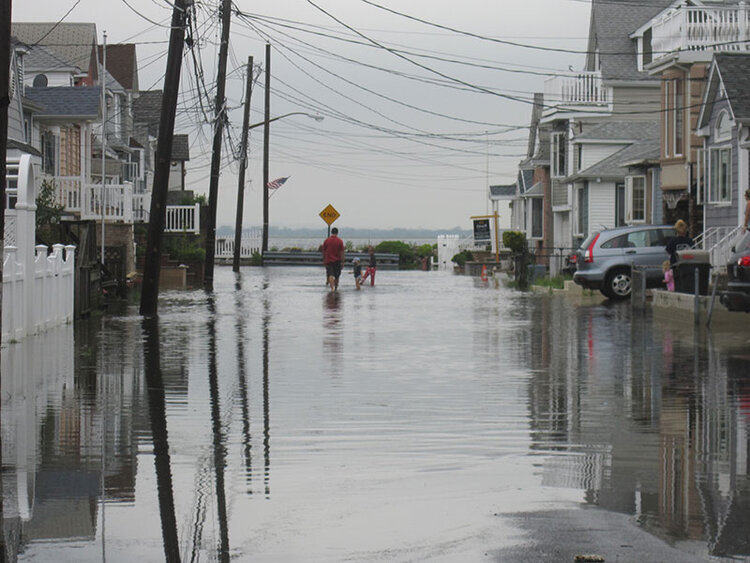
Tenants in nearly 1,800 subsidized housing units in Queens could be displaced as a result of rising sea levels over the next 30 years, according to the first nationwide analysis of the climate crisis’ impact on affordable housing. Nearly all of the impacted units are located in the eastern portion of the Rockaway Peninsula, including Far Rockaway and Arverne.

The peer-reviewed study published by the organization IOPScience found that flooding will render more NYCHA, Section 8 and other subsidized homes unlivable in New York City than any other city in the country by 2050.  

Authors Maya Buchanan, Scott Kulp, Lara Cushing, Rachel Morello-Frosch, Todd Nedwick and Benjamin Strauss refer to these subsidized units as “affordable housing” as they consider the impact of rising sea levels on 20 vulnerable coastal cities including Boston and Miami Beach.

“The frequency of coastal floods around the United States has risen sharply over the last few decades, and rising seas point to further future acceleration,” they write. “Residents of low-lying affordable housing, who tend to be low-income persons living in old and poor quality structures, are especially vulnerable.“

An interactive map published alongside the report shows the specific communities facing the greatest risk, with nearly all the units concentrated in Far Rockaway and Arverne. The two neighborhoods have a high number of NYCHA and Section 8 units compared to other waterfront neighborhoods of Southeast Queens and the Rockaways.

A city plan to rezone coastal communities for greater resiliency highlights the dangerous impact on Broad Channel, Howard Beach and the neighborhoods around Flushing Bay, as well. All are expected to fall below the floodplain by 2050.
 

 The IOPScience report anticipates factors 30 years in the future, but New York City already has among the highest number of units vulnerable to flooding at least once a year, the authors write.

At least 1,373 subsidized units are vulnerable right now, a total that represents less than 1 percent of the city’s current affordable housing stock, according to the paper by Climate Central and the National Housing Trust. 

“Climate-change-driven sea level rise will continue to amplify coastal flooding in the coming decades,” the report states.. “As community resilience investments are made, complementary policies may be needed to protect against the displacement (and potential homelessness) of residents.”

Thursday, December 3, 2020

It's taking a year for the Board Of Elections to find a company to handle ranked choice voting polling technology

The city’s Board of Elections is looking for a company to provide software for the new ranked-choice voting system amid calls from some officials to delay the ballot changeup beyond this year’s crucial mayoral election.

The board issued a request for proposals Nov. 16 to find a firm with the digital know-how to tabulate votes after New Yorkers rank candidates in order of preference on their ballots. Interested companies must respond by Monday.

The deadline comes less than two months before the new system is scheduled to be used in a special election for a Queens City Council seat — and follows widespread criticism of the board’s poor handling of mail-in ballots during the pandemic.

City poll sites use DS 200 ballot scanners operated by Election Systems & Software, which also handles ranked choice voting in Maine and Minneapolis. The Omaha, Neb.-based company is a potential candidate to do the same here, said Susan Lerner, executive director of Common Cause New York.

The nonprofit Ranked Choice Voting Resource Center is another strong option, according to Lerner, who is a leading supporter of the new voting system. The North Carolina-based outfit has open-source software that the Board of Elections could likely use at a low cost or even for free, Lerner said.

“There are good possibilities,” she added. 


Wednesday, December 2, 2020

Caption President Richards

Image

Landlords and tenants in agreement against City Council's mandatory sprinkler regulations

https://external-content.duckduckgo.com/iu/?u=https%3A%2F%2Ftse1.mm.bing.net%2Fth%3Fid%3DOIP.nAJWKEZpUSnqv8guaCKzDAHaE7%26pid%3DApi&f=1

Habitat

The New York City Council will consider a bill on Wednesday that would require all residential buildings over 40 feet tall – single-family homes, rental apartments, and co-ops and condos – to install sprinklers by 2029. The proposal, known as Int. No. 1146-B, has already generated vigorous pushback from co-op and condo advocates, homeowners and landlords.

“The astronomical cost of such an endeavor is equaled only by the stress of chopping into each and every room in the building to install the sprinkler system,” says the Council of New York Cooperatives & Condominiums, which plans to testify today in opposition to the bill. “Mandating the tremendous capital expenditure for sprinklers will surely divert scarce funds and attention from other urgent goals of carbon reduction, energy conservation, etc. with minimal impact on public safety.”

 “This law will have a catastrophic impact on lower-density neighborhoods where owner-occupied multi-family buildings are common,” says a Change.org petition against the proposal started by the 200 Jefferson Avenue Block Association in Brooklyn’s Bedford Stuyvesant neighborhood. The petition has garnered more than 400 signatures since it was put up Monday.

Contractor breaks a gas main in Floral Park

 https://external-content.duckduckgo.com/iu/?u=https%3A%2F%2Ftse1.mm.bing.net%2Fth%3Fid%3DOIP.j2bYVY0Sji4EjpxenBP07AHaFj%26pid%3DApi&f=1 

Queens Patch

 More than two dozen homes in Northeast Queens lost heat Wednesday after a contractor doing illegal construction work on the block sawed into their gas main, according to Con Edison.

Residents of 260th Street between Hillside Avenue and East Williston Avenue were evacuated about 3 p.m. after authorities were alerted to a gas odor on the block, spokespeople with the FDNY and Con Edison told Patch.

The gas was the result of a contractor working in the basement of a house on 260th Street, who had managed to cut into the high-pressure gas main that serves 28 homes on that block, according to Con Edison officials.

"That could've killed many people," Con Edison spokesperson Alfonso Quiroz told Patch.

Residents on the block have since returned to their homes but still had no gas service as of 5 p.m. Wednesday, as Con Ed crews continue making repairs to the gas main.

We woke up today in the Richards administration


From yesterday's Queens Post:

Council Member Donovan Richards will assume the role of Queens Borough President Wednesday, taking the reins from Acting BP Sharon Lee.

Richards will vacate his seat on the City Council tomorrow and take over as Borough President. He can officially take office Wednesday since the NYC Board of Elections certified the November election results today — making his win official.

Richards will fill the seat held by Lee since Jan. 1. Lee was appointed by former Queens Borough President Melinda Katz when Katz left office to become Queens District Attorney.


There must be a big overdevelopment vote coming up because that's what DR is all about. This move also may shift the special election for his seat to be held sooner, which will favor the Machine pick.

Congrats, Queens, on picking another winner!

via GIPHY

 Update:

Oh, there's a big one coming alright. 

 special flushing waterfront district


 Commercial Observer

A community battle is brewing in Flushing over a controversial plan to build 13 towers with 1,700 apartments, hotels, retail and office along an industrial stretch of waterfront in eastern Queens. The City Council is expected to vote on the plan in the next month and a half, but the project is buffeted by pushback from unions, local activists and politicians who want more affordable housing and union labor in the sprawling development.

Three Flushing-based developers—F&T Group, Young Nian Group and United Construction & Development Group—are working together on the megaproject, which stretches across 29 acres of waterfront along the heavily polluted Flushing Creek. The group’s proposal, dubbed the Special Flushing Waterfront District, calls for 1,725 apartments, 879 hotel rooms, 400,000 square feet of community facility and office space, 286,930 square feet of retail and 1,735 parking spaces. 

However, only 70 to 90 of those apartments will be income-restricted because the developers are rezoning just 10 percent of the project area. The city’s Mandatory Inclusionary Housing program requires developers to set aside up to 30 percent of their units as affordable housing, but it can only be applied when a property’s zoning is changed. 

 Council approval for the Flushing development, however, hinges on negotiations with two major labor unions—service workers union 32BJ SEIU and the Hotel Trades Council—which wield a significant amount of political influence in the five boroughs. Southeast Queens Councilman Donovan Richards, who was just elected Queens borough president and sits on the zoning subcommittee, recently told The City that he planned to vote down the project if a labor agreement was not reached

 We shall see, Mr. President. 


Impunity City

Even though a few other “affordable” luxury towers have already been planted and another in it’s nascent skeletal phase, presumably the developers and the city are all champing at the bit to get this done because they are building these towers to provide equity to low income earning people in desperate need for housing even if that amount is menial. It's also to “revive” the neighborhood even though it’s one of the highest populated neighborhoods in Queens and arguably the busiest. Naturally this hyper-development that’s being steamrolled has been met with stiff resistance and frequent protests.

But it’s a lot busier on the low end these days in Flushing thanks to COVID19. With 20% of NYC citizens unemployed since the contagion claimed over 30,000 lives and suspended and destroyed small businesses since the first lockdown began in March, lines for a food pantry run by La Journada go on for blocks and blocks. And blocks. And blocks. These people might not have gas outages at their homes, but it’s clear they have to prioritize rent over food because of their existential economic stasis to keep themselves sheltered.

As for the non-sheltered, the homeless population in Flushing as well as most of Eastern Queens continues to amass. Although the city Department Of Homeless Services policy’s past reliance on hotels to shelter people has become a necessity because of the pandemic, many homeless people still prefer to sleep rough on the sidewalks or parks and in inclement weather than to stay in hotel shelters that aren’t safe from violence or infection. Which led to this horrific sight nearby a public housing building, when a citizen found a homeless man frozen dead in a fetal position inside a makeshift shelter made of cardboard boxes furnished with a pillow and blanket underneath him.


Housing and food insecurity and the existential fear of being penniless and dying on the street surely shouldn’t be happening in the wealthiest country in the world and with the Dow Jones at 30,000.

It surely shouldn’t be happening at all in the greatest city in the world with a Democrat majority with alleged progressive values that were elected and appointed to government offices. As this pandemic has exposed even more regarding housing in New York City, these officials inaction has enabled these neoliberal based civic policies prioritizing the needs of a fantasized populace than the one that already exists and all their superficial actions establishes them as the posers they are, and the ramifications from them are leaving devastation, depression and death in it’s wake. The difference now is that they no longer are capable of obscuring it.

Update:

Here's President Richards cabinet:

Queens Post 

The borough president-elect has chosen three co-chairs to lead his transition team — Jackson Heights Assembly Member Catalina Cruz; former Manhattan Borough President Ruth Messinger and Queens Public Library President & CEO Dennis Walcott, who previously served as NYC Schools Chancellor and Deputy Mayor.

Rhonda Binda, Chair of the organization South Asian American Voice, will serve as the executive direction overseeing the transition.

In addition to Cruz, Richards has appointed two Queens council members and another state assembly member to his transition team which includes 14 committees.

Richard’s former opponent in the borough president race, Astoria Council Member Costa Constantinides, will serve as chair of the Planning Committee that oversees land use and development.

Southeast Queens Council Member I. Daneek Miller will serve as co-chair of the Transportation Committee alongside Juan Restrepo, the Queens organizer for Transportation Alternatives. Before taking office, Miller was president of a transit union.

Both Constantinides and Miller are term-limited and must vacate their City Council seats by the end of next year.


Tuesday, December 1, 2020

Troubled bridge over water

NY Post

 Metal-and-concrete shields that are supposed to protect the Kosciuszko Bridge from terrorists are being held together by nylon straps — following claims that the job was botched by an allegedly crooked contractor, The Post has learned.

Photos shot by The Post show that the shields surrounding all 56 cables on the Queens-bound side of the bridge appear to have been reinforced with black strapping, with some shields also showing discoloration where other staps were replaced.

A federal suit filed earlier this year alleged the anti-terror armor was plagued by “aggressive corrosion” and “severe delamination and separation of the parts” that posed “a severe and imminent threat to public safety, the implications of which cannot be overstated.”

The Post counted a total of 339 black ratchet straps cinched around the two-part shields, some of which had lengthwise gaps between the pieces that were nearly 2 inches wide.

One device was being secured with 14 straps, and several shields were marked by a white, chalky buildup around their lower edges.

 Repairs also appeared to have been made along at least one cable, with the gaps in the armor filled in with some sort of caulking.

The conditions on the bridge — which was replaced last year at a cost of $873 million — appeared worse than in March, when The Post revealed that three metal straps had been installed around one of the shields.


Give blood, get diabetes


NY Post 

  New York City’s blood supply is so low that the de Blasio administration is dangling prizes to donors — including a year’s worth of Krispy Kreme doughnuts.

Hizzoner pitched his answer to the blood crisis at a press briefing Tuesday — where it was revealed the city only has enough of a supply stocked up for about three days, as opposed to the usual seven days.

 And the Hospitals and City Health Commissioners don't utter a peep.