Showing posts with label taxes. Show all posts

Wednesday, June 15, 2022

Try to follow the Riders Alliance money


This is Elizabeth Plum, also known as Betsy Plum. She's the executive director of Riders Alliance, the transit concern organization that was featured in those videos of them bullying a fellow transit concern organization member from asking them questions during an event they held where they proposed they were going to save commuting in NYC. 

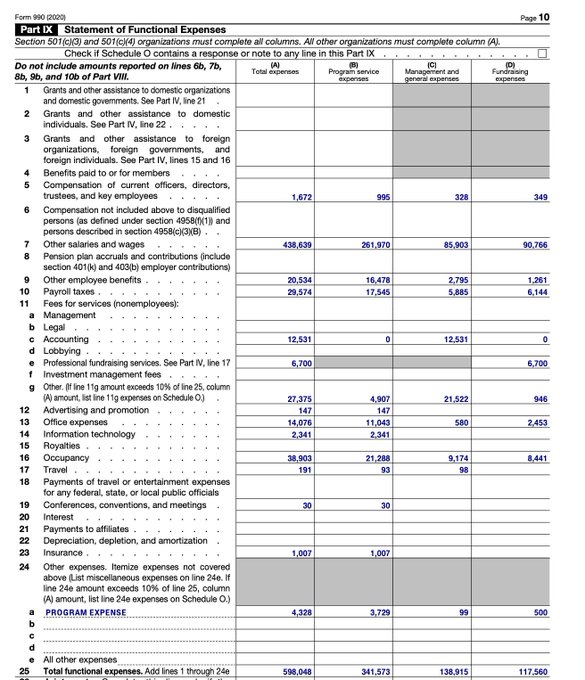
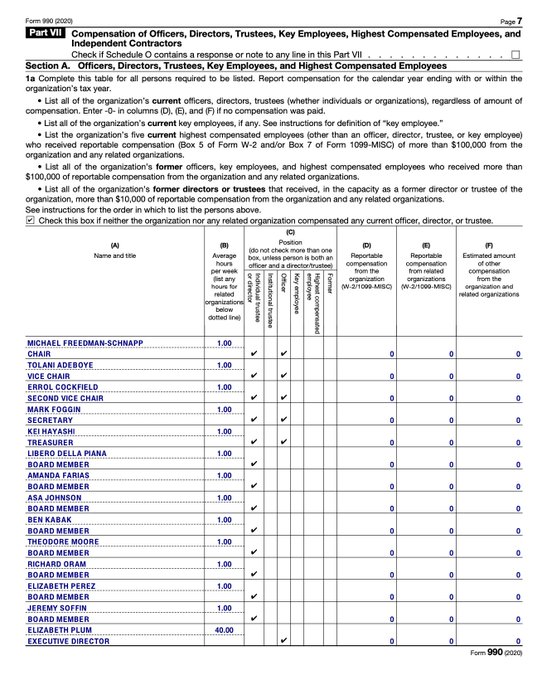
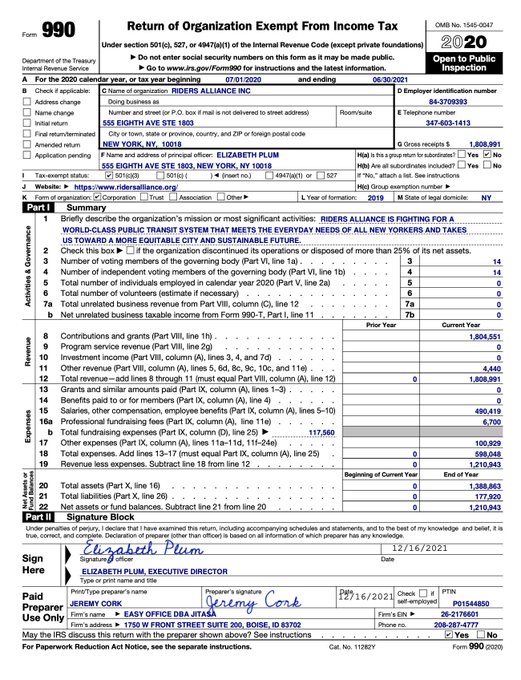
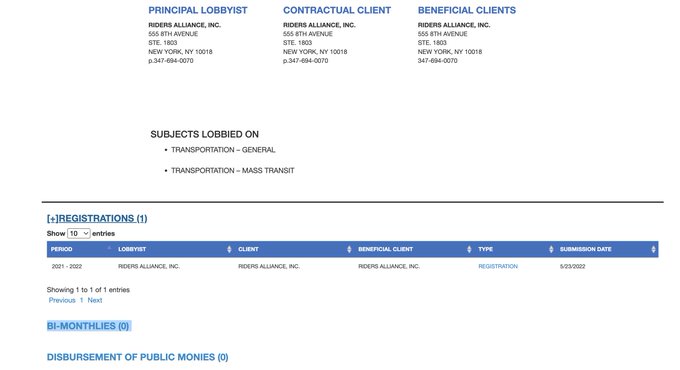
What's interesting about R.A. is how they became such a big influencer about all things transit (and now plan to expand that influence in housing and policing), especially when looking at their tax forms. https://pbs.twimg.com/media/FVDl2SCWQAAJ5kt?format=jpg&name=smallhttps://pbs.twimg.com/media/FVDmPVXWUAIETd4?format=jpg&name=small
https://pbs.twimg.com/media/FVDmqsTXEAQNCnq?format=jpg&name=small 


 Riders Alliance sure pulled in a lot of moolah in such a short time span during a pandemic. But what's going on with Elizabeth Plum here? She's the only full time worker on this list and claims to have made no money as the boss?
https://pbs.twimg.com/media/FVDy8AmXsAEj_xa?format=jpg&name=small

Wednesday, January 1, 2020

Getting the hell out of Dodge

From the NY Post:

Despite the nation’s longest economic expansion, the Empire State is actually losing population, an analysis of US Census data released Monday reveals.

The total state population as of mid-2019 was 19,453,561 — a drop of 76,790, or 0.4 percent, from the previous year, according to the study by the Empire Center for Public Policy.

...the high cost of living may be catching up with the Big Apple region, historically a magnet for newcomers that offset population losses in economically struggling upstate.

New York’s population has been stagnant over the past decade, with a modest 75,459 increase in residents since 2010, a growth rate of just 0.4 percent, ranking 46th-lowest out of 50 states.

Stagnant growth has real consequences.

The state will likely lose at least one and possibly two congressional seats — and political clout — after the next official decennial census count because of its failure to grow compared to other states.

New York, continuing a decades-long trend, was a net exporter of residents to other states — with 180,649 more residents moving out than moving in from other states over the previous 12 months.

Thursday, September 12, 2019

The city will pay for sidewalk damage caused by full grown trees


Eyewitness News


New York City officials are getting at the root of the problem when it comes to cracked sidewalks.

Mayor Bill de Blasio announced Tuesday that the city will now pick up the tab to repair sidewalks damaged by city-owned trees, and the city will also ramp up sidewalk repairs under the "Trees and Sidewalks" program to address 5,500 priority sites over the next three years.

Previously, homeowners were responsible for fixing the damage under threat of fines.

"We're not just fixing broken sidewalks, we're fixing a broken system," de Blasio said. "We tripled funding for tree related sidewalk repair, but homeowners were still on the hook for problems they didn't create. As a homeowner, I know how frustrating that is. Now, if a street tree causes damage, we're taking care of it."
 
The city will stop imposing liens on one-, two- and three-family properties that have sidewalk damage caused solely by city trees, and while the DOT and the Parks Department will still inspect for dangerous sidewalk conditions, the city -- not the homeowner -- will be responsible for fixing them if they are exclusively tree related.

Friday, February 15, 2019

Amazon paid no taxes and got hundreds of millions of dollars in rebates in the last two years.


Institute on Taxation and Economic Policy

Amazon, the ubiquitous purveyor of two-day delivery of just about everything, nearly doubled its profits to $11.2 billion in 2018 from $5.6 billion the previous year and, once again, didn’t pay a single cent of federal income taxes.
The company’s newest corporate filing reveals that, far from paying the statutory 21 percent income tax rate on its U.S. income in 2018, Amazon reported a federal income tax rebate of $129 million. For those who don’t have a pocket calculator handy, that works out to a tax rate of negative 1 percent. 

The fine print of Amazon’s income tax disclosure shows that this achievement is partly due to various unspecified “tax credits” as well as a tax break for executive stock options.
This isn’t the first year that the cyber-retailing giant has avoided federal taxes. Last year, the company paid no federal corporate income taxes on $5.6 billion in U.S. income.
ITEP has examined the tax-paying habits of corporations for nearly 40 years and has long advocated for closing loopholes and special breaks that allow many profitable corporations to pay zero or single-digit effective tax rates. When Congress in 2017 enacted the Tax Cuts and Jobs Act and substantially cut the statutory corporate tax rate from 35 percent to 21 percent, proponents claimed the rate cut would incentivize better corporate citizenship. However, the tax law failed to broaden the tax base or close a slew of tax loopholes that allow profitable companies to routinely avoid paying federal and state income taxes on almost half of their profits.

 In fact, the Trump Administration and its congressional allies included lavish new giveaways such as immediate expensing of capital investments. Multiple analysts scored the tax law as a huge revenue loser, giving away far more to big corporations in rate cuts than it takes in loophole-closers.

 Amazon is no stranger to tax controversies. Last year the company, in a staggering act of hubris, engaged in a year-long aggressive push for huge new relocation subsidies for its “HQ2” headquarters. A year later, Amazon appears to have won its two-front battle against fair taxes by continuing to altogether avoid federal taxes and obtaining lucrative packages of local tax breaks for not one but two new HQ2 locations, in New York and Virginia as well breaks for an operations center in Nashville, Tenn.

And #PoorBezos has the unmitigated gall to demand subsidies from this state and city and to go after Trump with the national/his personal newspaper that he owns. What a insecure and sad greedy little miser.


Thursday, November 1, 2018

Lots of new taxes being considered to save MTA


From NBC:

A state panel is advising Governor Andrew Cuomo to consider a bundle of new taxes after revelations that the price for fixing the beleaguered Metropolitan Transportation Authority has doubled.

As it turns out, officials say a controversial plan for congestion pricing won’t raise enough money to cover the difference.

The task of finding solutions for raising the dough has been left to a city-state sustainability task force. Sources tell CBS2 that in addition to congestion pricing, the task force is exploring other options including:

- raising the payroll tax
- increasing the real estate transfer tax on sales of property over $5 million
- ending the sales tax exemption on clothing purchases under $110

Mitchell Moss, head of the Rudin Center for Transportation at New York University, has other suggestions including raising the gas tax.

“We should be using the gas tax and other broad-based revenues,” Moss said. “We might even want to consider getting revenue from cannabis to be earmarked for riders.”

A marijuana tax is a real possibility if pot is legalized in New York, sources say. Other revenue streams could come from new taxes on casinos and sports betting.

Wednesday, April 4, 2018

De Blasio may seek retail vacancy tax

From Curbed:

Mayor Bill de Blasio has been largely noncommittal on speaking about how the city can combat some of the blight that’s sweeping New York’s retail corridors, but that may soon change.

On his Friday spot on WNYC, the mayor alluded that retail vacancy has been on the brain (h/t NY Post). “I am very interested in fighting for a vacancy fee or a vacancy tax that would penalize landlords who leave their storefronts vacant for long periods of time in neighborhoods because they are looking for some top-dollar rent but they blight neighborhoods by doing it,” he said. “That is something we could get done through Albany.”

The mayor’s office said the initiative is in the planning phase.

Sunday, January 21, 2018

Who is the real problem here?


From CBS 2:

New York state Gov. Andrew Cuomo is doing whatever is necessary to protect New Yorkers from increased federal taxes.

As CBS2 Political Reporter Marcia Kramer reported, Cuomo also answered critics who charge that governor should start at home by cutting state taxes.

On Wednesday, the New York State Tax Department issued a report offering a raft of workarounds. They include:

• Restoring the deductibility of real estate and local taxes on New York returns.

• Increasing the state’s standard deduction;

• Changing the income tax to a payroll tax;

• Allowing taxpayers to make charitable contributions to the state instead of paying taxes.

And if the IRS tries to stop him, Cuomo said he would fight it.

“If we come up with a way not to pay, I’m sure they’ll attack it and they’ll challenge it – and I have no problem with that,” Cuomo said to Kramer. “I’m a Queens boy. I don’t back down, Marcia – you know that. You know me a long time.”

But there are those who say that instead of focusing on the loss of the so-called SALT issues – the deductibility of state and local taxes – Cuomo should also get his own house in order and cut spending and taxes on the state level.


(Dear Andy: Please stop reminding us that you are a product of Queens. Thank you.)

Wednesday, January 17, 2018

Cuomo wants lots of new taxes

From Crain's:

Gov. Andrew Cuomo called for an array of new revenues to close the state’s $4 billion budget hole on Tuesday while sketching his spending plan for the coming fiscal year.

The governor asserted that Albany could reap $750 million from sales of health care nonprofits to private entities, $140 million from a new tax on health insurers, $170 million from an opioid surcharge, $300 million through a one-year suspension of certain corporate tax credits and $318 million through an internet sales tax.

The 2017 federal tax legislation eliminated the state and local tax deductions, which let New Yorkers report less on their returns to the Internal Revenue Service. Cuomo reiterated his earlier calls to restructure New York’s tax system by replacing the income tax with a payroll tax—eliminating the excise on employees for money earned, and putting the burden instead on employers for wages paid.

This idea won a swift and bitter rebuke from a top small-business trade group.

The governor again teased a congestion pricing plan that would fund the moribund subway system through a new charge on cars entering the Manhattan business district. He offered few new details other than insisting that he would not impose tolls on the four city-owned East River bridges, but promised a full proposal later in the week.

Thursday, November 30, 2017

Advocates come up with development & transit plan to make NYC less affordable

From the Daily News:

Imagine New York without its 24/7 subway system?

The experts at the Regional Plan Association did, and they believe it's key to building a reliable transit system for a growing metropolitan area.

The radical idea to snuff the pride of New York is one of dozens of recommendations in the research group's latest regional plan — the association's fourth region-wide blueprint since 1929 — being released Thursday.

“We think that the days of the 24/7 subway system in New York are coming to an end,” RPA president Tom Wright told reporters of the “controversial” idea.

Raise money through new taxes, like charging drivers to enter Manhattan’s business center, tolling major roads and highways, adopting a cap-and-trade program for emissions, and a tax based on vehicle-miles traveled. Build dense housing near transit stops throughout the region.

Extend subway lines around the city and build out overcrowded stations.

Create a regional rail network that allows trains to flow unimpeded through the tristate area, such as building a new facility south of Penn Station that could allow rail to bring travelers between Long Island and New Jersey without switching trains.

RPA is unveiling its full plan Thursday at The New School, with elected and government officials from around the region.

Monday, August 7, 2017

DeBlasio has tax-the-rich scheme to fix subways

From the NY Times:

Mayor Bill de Blasio plans to push for a tax on wealthy New Yorkers to pay for improvements needed to address the crisis engulfing New York City’s subway, city officials said on Sunday.

The proposal is the latest move in the battle between Mr. de Blasio and Gov. Andrew M. Cuomo over who bears responsibility for repairing the deteriorating transit system. The plan would also pay for half-price MetroCards for low-income riders — part of a national movement that has gained momentum in New York.

Mr. de Blasio will announce a so-called millionaires tax on Monday for wealthy New York City residents to pay for subway and bus upgrades and for reduced fares for more riders, an idea that has been successful in Seattle.

His funding push comes as the subway faces a multitude of problems, and leaders at the Metropolitan Transportation Authority, which operates the subway, have called on Mr. de Blasio to provide more money for the system.

Saturday, July 1, 2017

Taxpayers on the hook for BDB legal fees

From the Daily News:

Mayor de Blasio has decided to “let” taxpayers foot most of the $2.3 million bill he owes the lawyers who defended him in probes that found he’d intervened on behalf of donors seeking favors from City Hall.

After months of insisting he would never ask the public to pay what he owed, the mayor put up a brief explanation of his reversal on Medium.com early Friday entitled “Our Legal Bills.”

He revealed that “after giving this a great deal of thought,” he’s decided the city will pay $2 million for legal work “tied to my government service.”

Another $300,000 in legal work he said is related to his non-governmental service will come from private donors via an as-yet-to-be created legal defense fund.

From 2016 through March, the Manhattan U.S. Attorney, the Manhattan District Attorney and the state Joint Commission on Public Ethics investigated de Blasio’s fund-raising activities.

On March 16 the U.S. Attorney and DA both announced they had closed their investigations without finding evidence of criminal culpability against de Blasio or his aides.

Acting U.S. Attorney Joon Kim, however, made clear that he did find evidence that de Blasio and his aides “solicited donations from individuals who sought official favors from the City.” In turn, Kim noted, “the mayor made or directed inquiries to relevant City agencies on behalf of those donors.”

De Blasio raised $4.3 million for a nonprofit Campaign For One New York that promoted his causes. The News found at least $3 million came from entities seeking favors from City Hall.


Tuesday, June 20, 2017

The Penn Station blues

From the Wall Street Journal:

Diverted passengers who face a grueling commute this summer because of rail disruption at New York’s Penn Station deserve discounted tickets on the Long Island Rail Road, New York Gov. Andrew Cuomo said Monday morning.

The Metropolitan Transportation Authority’s Suffolk County board member later suggested such a discount could be up to 15%.

As Mr. Cuomo made his suggestion, during a news conference at Penn Station, the head of the MTA, which owns the LIRR, told a committee of the agency’s board in lower Manhattan that the MTA will withhold regular payments it makes to Amtrak for use of Penn Station and that the MTA will send Amtrak a bill for costs incurred by the disruption.

Amtrak, which owns and operates the Midtown Manhattan terminal, will reduce weekday rush-hour service into and out of the station beginning July 10. The outages are needed so that Amtrak can carry out extensive repair work to rails and switches following two low-speed derailments earlier this year.


From NY1:

City Council Member Jimmy Van Bramer is not mincing words when it comes to his opinion on the MTA's plan for Long Island Rail Road (LIRR) riders this summer.

“I think it is ridiculous,” he said.

This week, the agency announced it would cancel or divert close to three dozen rush hour trains into and out of Penn Station while Amtrak does emergency track work. That means more LIRR trains originating or terminating at stations in Brooklyn and Queens, including Hunterspoint Avenue in Long Island City. Passengers there would then either take a ferry or transfer to the 7 train.

“To take Long Island Rail Road users and divert them to the 7 train is stupid,” Van Bramer said. “We know the service is unreliable as it is.”


From NY1:

A State Senator from Queens says taxing the rich is how to fund repair work at Penn Station.

Senator Michael Gianaris says his bill would require millionaires in New York to pay a three-year temporary state income tax surcharge. It would apply to those living in any county where the MTA operates.

Gianaris says it would generate close to $2 billion dollars for the MTA every year.

Hotel taxes would also see a new $5 fee on top of the already existing tax in the city.

Friday, February 24, 2017

Queens realtors opposed to mansion tax

From the Queens Chronicle:

Some Queens realtors are not supportive of Mayor de Blasio’s proposed mansion tax, a policy City Hall is once again pushing that would create a 2.5 percent marginal surcharge on residences that sell for more than $2 million.

The mayor has said that the tax would raise more than $330 million in revenue yearly to fund rent subsidies for 25,000 low-income seniors. It would be a marginal surcharge paid by the buyer that would add to the existing 1 percent fee on sales reaching $1 million or above. Unlike the 1 percent tax, it would only be applied to the value over $2 million. (For example, a $3 million sale would have a $25,000 tax under de Blasio’s proposal in addition to the $30,000 required by the 1 percent tax.)

Long Island Board of Realtors President David Legaz called the mayor’s intention to fund low-income senior housing “laudable” but said that the cost should be borne “equally among New York City citizens.”

According to de Blasio spokeswoman Melissa Grace, the average price of a residence reaching the proposal’s threshold is $4.5 million.

“At a time when many of those buyers are likely to receive a significant federal tax cut, we believe it’s urgent they contribute more to help seniors in need,” she said.

Eight percent of New York City sales between 2014 and 2016 exceeded the proposed tax’s threshold, according to a report last week from the Independent Budget Office.
Most places that pricey are in Manhattan, although several Queens neighborhoods had sales north of $2 million last year: Forest Hills Gardens, Douglaston, Whitestone, Flushing and Astoria.

Friday, January 13, 2017

Bag tax coming back

From the Queens Chronicle:

One of the hottest stories last spring was the City Council’s close and contentious vote to charge customers five cents for almost every paper or plastic grocery bag they use while food shopping.

Originally set to be implemented last October, the fee was pushed back to Feb. 15 when the state Legislature threatened to ban such fees. The issue faded into obscurity under things like the presidential election.

That could change once the new session of the state Legislature goes into high gear in the coming weeks.

Three state senators from Queens — all of whom opposed the Council measure — told the Chronicle that Albany could well be reviving the bag bill ban.

Wednesday, September 7, 2016

Undocumented impact on NYC

This short Seth Barron piece in City Journal is the best essay I have seen thus far on illegal immigration in NYC. Give it a read.

Thursday, August 11, 2016

Large number of NYC shelter residents are not from NYC

I crunched the numbers from the FOILs that are out there and here is what I found:

As of 2014:

124 couples in the system were from outside NYC = 248 people
This is 9% of the total population of adult couples

2268 singles in the system were from outside NYC
This is 25% of the total population of singles

2107 families with children were from outside NYC = 7375 people (avg of 3.5 people per family)
This is 20% of families in the system

Grand total is 9891 people from outside NYC
Total homeless in NYC as of today: 58917

At least 17% of the total shelter population is from outside NYC.

And NYC taxpaying suckers are paying for their food, clothing and shelter while the places they came from pay for bus tickets.

So when Christine Quinn says shit like we should just get over having homeless shelters in our neighborhoods, she can suck it.

Saturday, July 2, 2016

Stop sending tax revenue into the general fund

From Crains:

Privately owned public spaces are great when they work. But many POPS are neglected or poorly designed. That’s why the City Council just allowed some along Water Street downtown to become retail spaces. Critics, including the Municipal Art Society, said the city gave away a public good without getting enough back.

Such problems are often addressed piecemeal, but POPS need a more comprehensive approach because the public benefit could be greater. The value of floor height is measurable, the extra tax revenue collectible. Some of that should be reinvested in the infrastructure that is strained when taller buildings bring more commuters and residents into neighborhoods.

The city’s infrastructure is crumbling: Transit is overcrowded, and old power lines and sewers remain vulnerable to outages and storms. The city can’t depend on Albany. But the private sector can step up—and benefit from the upgrades that could make New York a better place to live and work.

Saturday, April 30, 2016

Bag tax coming soon

From Crains:

On Thursday, City Council Speaker Melissa Mark-Viverito backed an effort to reduce plastic bag use and waste.

Councilman Brad Lander, D-Brooklyn, championed the legislation, which will charge a nickel for each plastic or paper bag New Yorkers use at supermarkets and shops. The fee is meant to encourage shoppers to bring reusable bags to stores instead of taking plastic ones.

The city spends more than $12 million a year dumping 91,000 pounds of plastic bags in landfills, according to the council. Lander had already amassed majority support for the bill, but it could be the tightest vote of the council's legislative season, he told Crain's.

Opponents of the bill say its yet another tax on city residents and burdens the poor. The proposed fee was reduced to 5 cents from 10 cents to address such concerns.

Mark-Viverito's support for the bill guarantees its passage next week by the City Council.

Thursday, March 31, 2016

1% keeping the city afloat

From the Daily News:

It takes an income of $636,866 a year to make you a member of the one percent in New York City.

And members of that elite group paid 47% of city personal income taxes in 2013, according to new data from the Independent Budget Office.

IBO found that 36,851 tax filers fell into the top one percent — and they collectively earned $107.5 billion, 38% of the entire city population’s income. On average, they brought in $2.9 million in 2013.

The high rollers brought in 19% of the city’s wages and salaries, but a whopping 87% of its capital gains.

They paid $3.9 billion of the $8.3 billion the city brought in in income taxes — nearly half of the total, and an average of $105,924 each.

Monday, February 22, 2016

Pols think money grows on trees

From Crains:

It was fitting that the governor came to the council speaker's defense, because Cuomo has become a big advocate of the “propose now, worry later” style of governing. Consider his much-ballyhooed promise in July to overhaul the despised LaGuardia Airport. At the time, his administration said the Central Terminal would be replaced, as would Delta's newly refurbished Terminals C and D, and a new link to the subway would be completed—all for something like $4 billion.

Last week, The Wall Street Journal reported the cost of the Central Terminal alone had soared past $4 billion.

Mayor Bill de Blasio was the voice of reason this month in casting doubts on the Rikers plan, but he too has been guilty of this approach—if on a smaller scale. The $25 million cost of a new barn for carriage horses in Central Park was apparently pulled from thin air. His $2.5 billion streetcar scheme for the Queens-Brooklyn waterfront has more than a few question marks, too.

Why care about this? Because projects like these put pressure on governors and mayors to deliver something. Because they don't like to raise taxes and because both the city and state have such high debt loads, they will be tempted to make fiscally irresponsible moves to push the costs into future years.