Five people were charged on a 625-count indictment in connection to a
gun trafficking operation that sold dozens of ghost guns, assault
weapons, high-capacity magazines, and hundreds of rounds of ammunition
in Queens, New York Attorney General Letitia James announced on
Wednesday.
The suspects charged
in the operation allegedly transported 3D-printed ghost guns assembled
in Nassau County and serialized firearms purchased in Indiana into
Queens, where they were stored and sold, according to the Office of the
Attorney General.
An
investigation by the OAG’s Organized Crime Task Force in cooperation
with Homeland Security Investigations and the NYPD recovered 86 firearms
– including 55 ghost guns and 25 assault weapons – along with over 90
high-capacity magazines and hundreds of rounds of ammunition.
Investigators began
tracking Satveer Saini, 20, and his associates, Mateo Castro-Agudelo,
21, Hargeny Fernandez-Gonzalez, 20, Adam Youssef Senhaji-Rivas, 20, and
Milanjit Sidhu, 20, in late 2023, according to the OAG.
During
the investigation, Saini, Fernandez-Gonzalez, and Senhaji-Rivas
allegedly paid over $27,000 to purchase firearms from Indiana, which has
less restrictive gun laws than New York.
Early
in the investigation, Saini and Castro-Agudelo drove from Indianapolis
to Queens with weapons purchased in Indiana when they were stopped for
speeding by the Ohio State Highway Patrol in Medina County, Ohio. During
the stop, police recovered nine unloaded serialized handguns from
inside Saini’s rental car.
From this point on, Fernandez-Gonzalez allegedly began paying Sidhu to drive weapons from Indianapolis to Queens.
Fernandez-Gonzalez
also allegedly bought 3D-printed ghost guns in Nassau County and
brought them to Queens. Saini, Castro-Agudelo, and Senhaji-Rivas all
allegedly sold trafficked firearms, high-capacity magazines, and
ammunition during the course of the investigation.
Embattled FDNY Commissioner Laura Kavanagh is quitting her $243,171-a-year post, she told The Post Saturday.
The stunning development comes amid a slew of controversies that left
some members of Mayor Adams’ administration questioning her ability to
lead the country’s largest fire department.
Kavanagh, who Adams tapped as the city’s first female fire
commissioner in 2022, said in an email to The Post she feels it’s “time
for me to pass the torch” and explore other career opportunities. She
plans to stay on the job for now and help pick a replacement, Kavanagh
wrote.
“My dedication to the FDNY has never and will never waver,” she
wrote. “It has been the honor of a lifetime to devote the last 10 years —
five as first deputy commissioner and more than two as commissioner —
to advocating for the men and women of the FDNY.
Kavanagh sent the email mere minutes after Adams gave her a huge vote
of confidence and tried to squash rumors her resignation was imminent.
“I love her style — I want her in my administration, whichever she
decides to do,” he told The Post following an unrelated Brooklyn
event. “She sat down with me some time ago and said ‘I’m looking to do
some other things in my life at this moment,’ and whenever she decides
to do so, she will. As long as she wants to be my fire commissioner, she
will be my fire commissioner.”
Although Adams remains supportive of Kavanagh, she’s felt plenty of
heat within the administration over a slew of firestorms under her
watch.
“She was a political operative – not a firefighter – so her selection
[as commissioner] was always an unusual choice, and she’s been unable
to do what she was brought in to do: put out political fires,” a City
Hall insider said.
Kavanagh, who began her career working campaigns for ex-President
Barack Obama, ex-Mayor Bill de Blasio and other Democrats, has dealt
with a series of public relations nightmares since Adams named her
commissioner, in part to tackle the department’s longtime struggle to diversify.
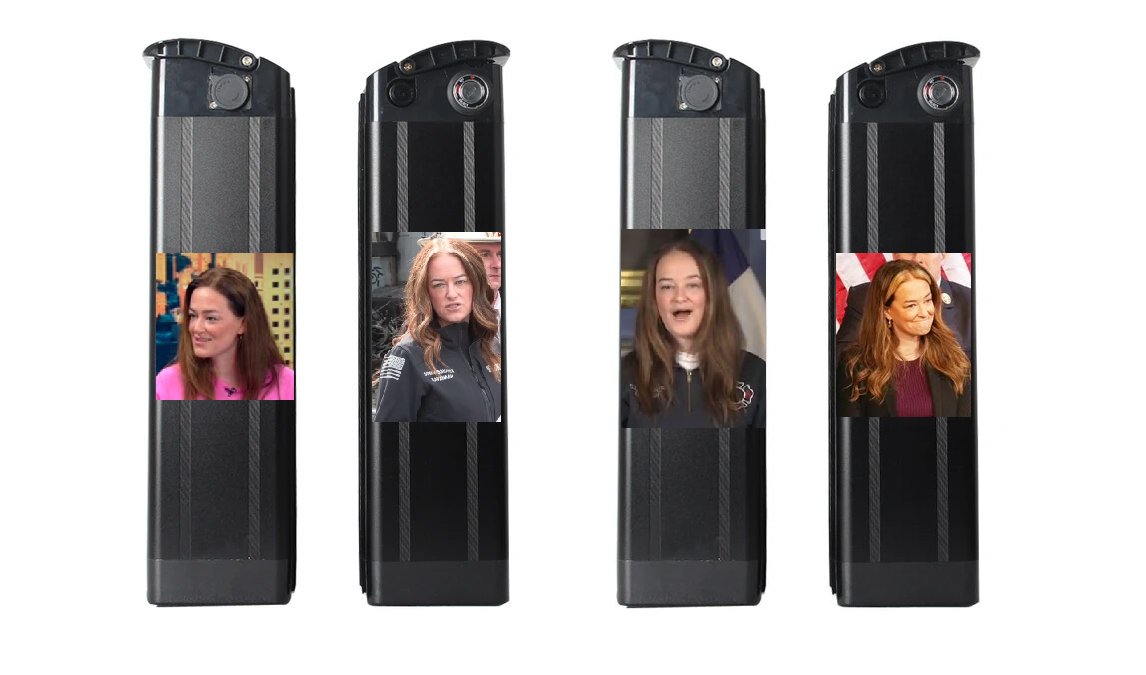
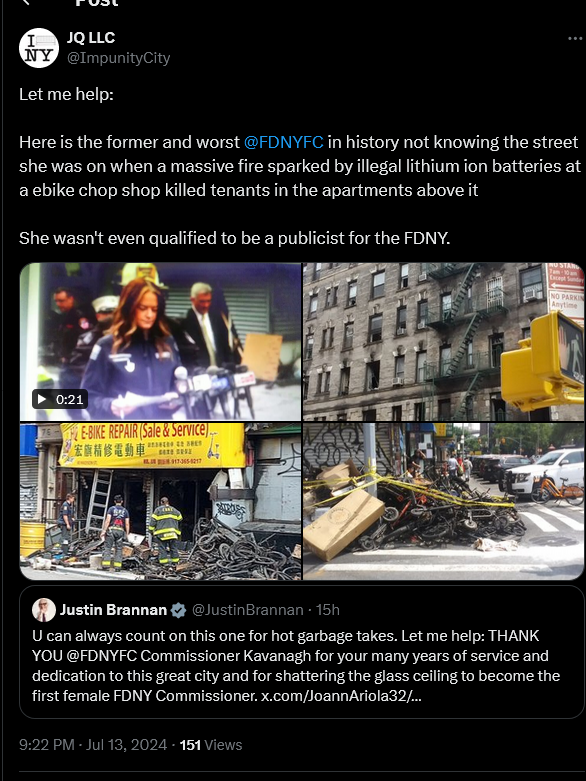
This woman's entire careerbefore being anoninted FDNY commissioner was being a publicist, and she even couldn't do that right
Lithium Ion Laura couldn't fight a fire by blowing out a match.
Former President Donald Trump was wounded on a Pennsylvania campaign stage
by a sniper’s bullet Saturday night in an apparent assassination
attempt that nearly claimed his life, law enforcement sources told The
Post.
The Secret Service said Trump is safe. A campaign spokesperson added
that he is “fine” and being checked out at a local medical facility.
“He came within inches of having his face shot open,” a senior law enforcement source told The Post.
The shooter was killed by a Secret Service assault team.
One other person, believed to be a civilian standing behind Trump on
the podium was killed by the sniper, sources said. Another person was
reportedly wounded.
The gunman was believed to have been positioned on the roof of
building hundreds of yards from the former president at the Butler
County Fairgrounds — outside the security perimeter, according to law
enforcement sources. Trump confirmed his own brush with death in a post Saturday night on
Truth Social: “I was shot with a bullet that pierced the upper part of
my right ear.
“I knew immediately that something was wrong in that I heard a
whizzing sound, shots, and immediately felt the bullet ripping through
the skin. Much bleeding took place, so I realized then what was
happening.”
The bullet may have been deflected by glass before Trump was struck in the face, law enforcement sources said.
Following the attack on Trump at a rally in Butler — about 35 miles
north of Pittsburgh — nine shots rang out and Trump ducked for cover
before being surrounded by Secret Service agents, video from the event shows.
City Planner Paul Graziano makes NYC Planning Commissioner and Developer Mascot Dan Garodnick uncomfortable with dire warnings of the desecration of towns from the one size fits all plan to build a little more affordable housing in every neighborhood. Because it really is just a little that won't end the infinite housing crisis the city has made.
Jackson Chabot from the public streets usurping 501 c 3 lobby cult Open Plans rambles on about removing parking mandates from buildings and towns and gets laughed at, but not before he trashes Graziano for how he got his house and remained in his neighborhood.
But wouldn't you know the best take about the City Of Yes/Mess literally came from the street from the ubiquitous NYC political media gadfly Christopher Leon Johnson who remarked that this will do nothing to help people who make less than 60% of the AMI to qualify for the prospective tall and dense luxury public housing towers to end the housing crisis NYC Planning created and now they want a do-over. CLJ also blows the whistle on lobbyist infiltration of community boards that were placed there by borough presidents.
Update:
Well, it looks like Dirty Danny and the City Of Yes people at NYC Planning is censoring the public from isolating clips and embedding the whole video of thepublic hearing. Paul comes around the 3:45, Jacko around 4:37 and CLJ around 5:08.
Watch how Danny tells people not to clap for people against City Of Yes because it would "take up valuable time" but he allows extended time for borough presidents Mark Levine and Vanessa Gibson to shill for the overdevelopment apocalypse program. He also spends time interrogating council members who announced they will vote no against it and gave nearly an hour to an architect to describe and justify the plan.
A breakthrough was reached just days after tenants of a Sunnyside
apartment complex filed a lawsuit against their building’s landlord
stemming from their displacement following a 5-alarm fire in December.
Queens Borough President Donovan Richards and A&E Real Estate,
the landlord, announced a plan Monday to provide 22 tenants of 43-09
47th Ave. who were forced out of their apartments on Dec. 20 due to fire
damage with an additional round of six-month temporary housing
agreements.
After the fire, which was determined to have been caused by a contractor using an unregulated blowtorch,
A&E offered the tenants the option of signing a temporary
relocation license agreement for “up to six months if needed,” allowing
them to rent apartments at other A&E properties at the same monthly
rate they had paid at their Sunnyside building. Those original
agreements were set to expire on Tuesday, July 2.
“Through no fault of their own, our neighbors tragically lost their
homes and their possessions in the heart of the holiday season,”
Richards said. “I’m thankful to A&E Real Estate for its partnership
and for its support of these families by offering additional temporary
lease agreements. Going forward my office will work tirelessly with our
partners in city government to ensure those displaced by the fire have
continuous access to stable and affordable housing.”
A spokesperson for A&E Real Estate said the agreement was with 22
households that are still in A&E temporary housing as of Monday.
“Borough President Richards picked up the phone and asked how we
could work together to do more for residents. Working through the
weekend, we found a path forward that will enable us to offer temporary
housing for residents affected by the fire for up to six months more,”
the spokesperson said. “While we know this has been challenging, we have
worked hard at every step to go above and beyond to give residents some
security and breathing room to plan for the future.”
The additional temporary lease agreements will run through Jan. 15,
2025, giving impacted families another six months to secure more
permanent housing.
“Ultimately, it’s the insurance settlement that will compensate all
parties for their losses in the fire,” the A&E spokesperson said.
“We appreciate Borough President Richards’ partnership in finding an
approach that we can sustain for several months more.”
The lawsuit filed on behalf of 200
tenants seeks $10 million in damages for gross negligence in failing to
properly supervise their contractors and/or employees. Brett Gallaway,
the tenants’ attorney from the law firm of McLaughlin and Stern, emphasized the severity of the situation.
“The reckless actions of A&E have
caused irreparable harm to these families,” Gallaway said. “This lawsuit
seeks to hold them accountable for the devastation they have caused and
their continued failure to provide adequate support and compensation to
the displaced tenants.”
Considering the stupidity of the developer's contractor, A & E should just let those tenants have those apartments they are only temporarily staying in. Wonder what they look like and I wonder if they are building new "affordable housing" in this town.
The 4th of July holiday became a nightmare in Queens on Thursday
afternoon after a man stabbed a child to death and police fatally shot
the knife-wielding suspect in a domestic dispute, police brass said.
According to NYPD Chief of Patrol John Chell, cops from the 103rd Precinct
rushed to a luxury apartment building at around 5:20 p.m. in the
Jamaica section of the borough, located at 147-25 94th Ave after several
residents called police for help.
“A female came out of this building pleading for help. She ran down
to the corner to MTA police to get help and simultaneously the security
desk called 911 for assistance,” Chief Chell said. “Members of the 103
Precinct responded in three minutes.”
Upon arrival at the 5th floor apartment, authorities said, cops were
confronted with a man, in his 20’s, holding a knife to his 43-year-old
father’s neck. Inside that same apartment a 29-year-old woman had been
wounded and an 8-year-old boy had been stabbed to death, all in the same
apartment as an 8-month-old-baby. Chief Chell told reporters that cops
demanded the man drop the weapon, but he refused, resulting in the
officers shooting the suspect. The baby was unharmed.
Police say the perpetrator was rushed to a hospital; sources close to the investigation report that he later died.
Chief Chell said the 8-year-old and his killer were stepbrothers,
however, the ultimate reason for the holiday rampage remains under
investigation.
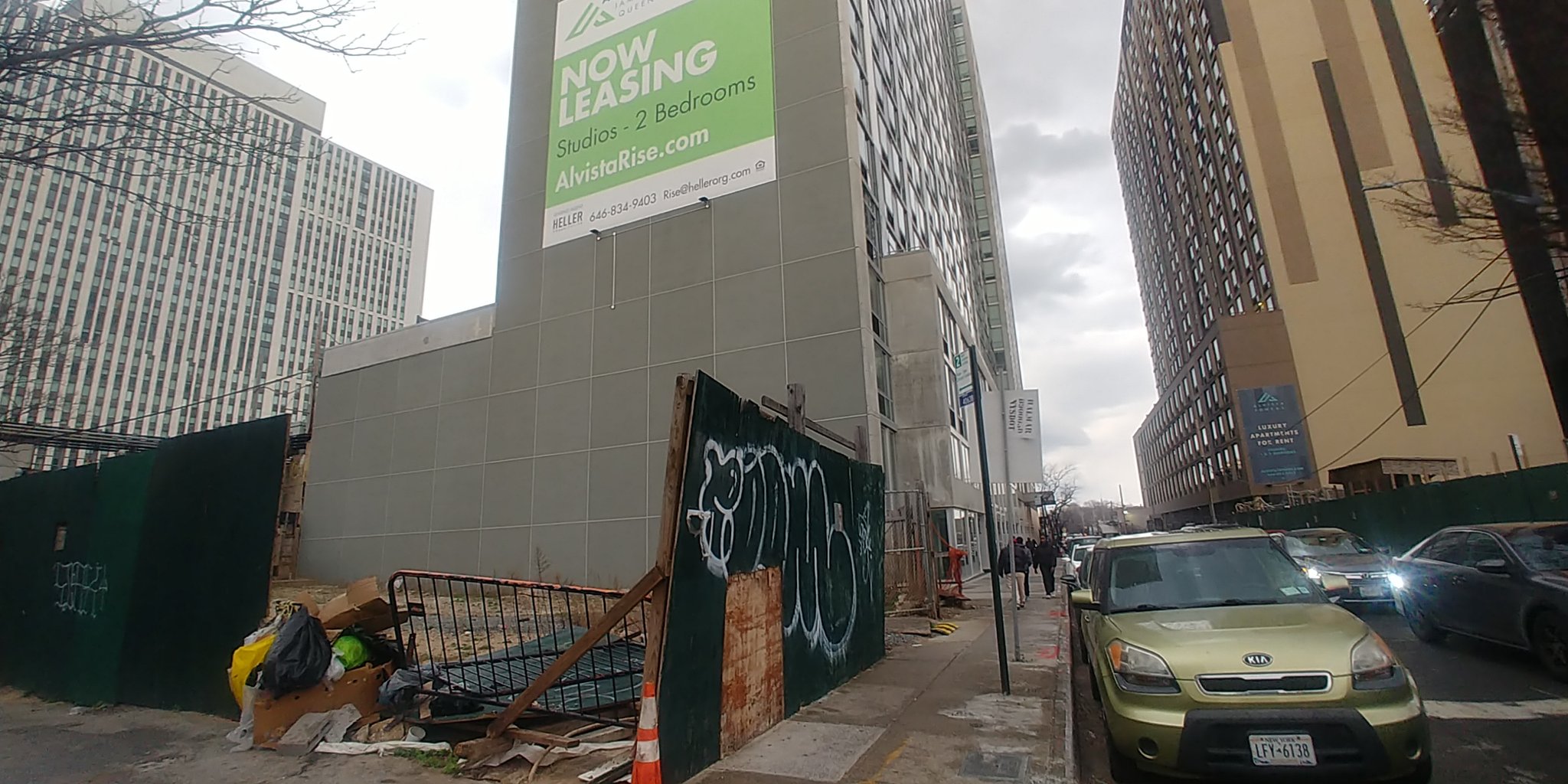
This is not a luxury tower perse, it's one of those "affordable housing" towers from the 421a program to set aside 20%-25% of units under market rate (it's the one with the now leasing sign)
Besides the tragic domestic slaughter, this is bad all around for the "city of yes" and what may be another indictment of the city's continuing lack of mental health services.
New York City officials are dramatically expanding a controversial program that gives debit cards pre-loaded with cash to migrant families staying in taxpayer-funded hotels across the city.
The Adams administration says another round of debit cards is
expected to be distributed to more than 7,300 migrants over the next six
months, costing the city about $2.6 million. The move represents a
major expansion of a pilot program that began earlier this year that
doled out cards to about 3,000 migrants.
New York City Deputy Mayor for Health and Human Services Anne
Williams-Isom says the program allows newly arriving families the
ability to “make choices for themselves and their children” by using
debit cards.
“They can buy from local shops, support small businesses, and manage
their own resources,” she said in a statement. “When we empower people,
we help them achieve self-sufficiency and access the American Dream.”
Mayor Eric Adams has defended the program as a “cost savings measure”
that “temporarily” replaces New York City’s existing system of
providing non-perishable food boxes to migrant families staying in
hotels and other city-funded shelters.
The program is a partnership between the Adams administration and the
company Mobility Capital Finance, which says the plan will help
migrants with food, baby supplies and other necessities as they await
authorization to work from the federal government.
Under the program, a four-person family with children under five can
receive up to $350 per week, or about $18,200 a year, according to
published news reports.
Critics, including New York Council member Joseph Borelli, have
argued that the debit cards are “fundamentally unfair” to the city’s
working poor, who don’t receive similar benefits from the city.
Borelli and other Republicans argue that the city’s right to shelter
law, which requires it to provide housing, food and other necessities —
coupled with the city’s ‘sanctuary’ policy cooperation with immigration
crackdowns — are drawing a record number of migrants to the city.
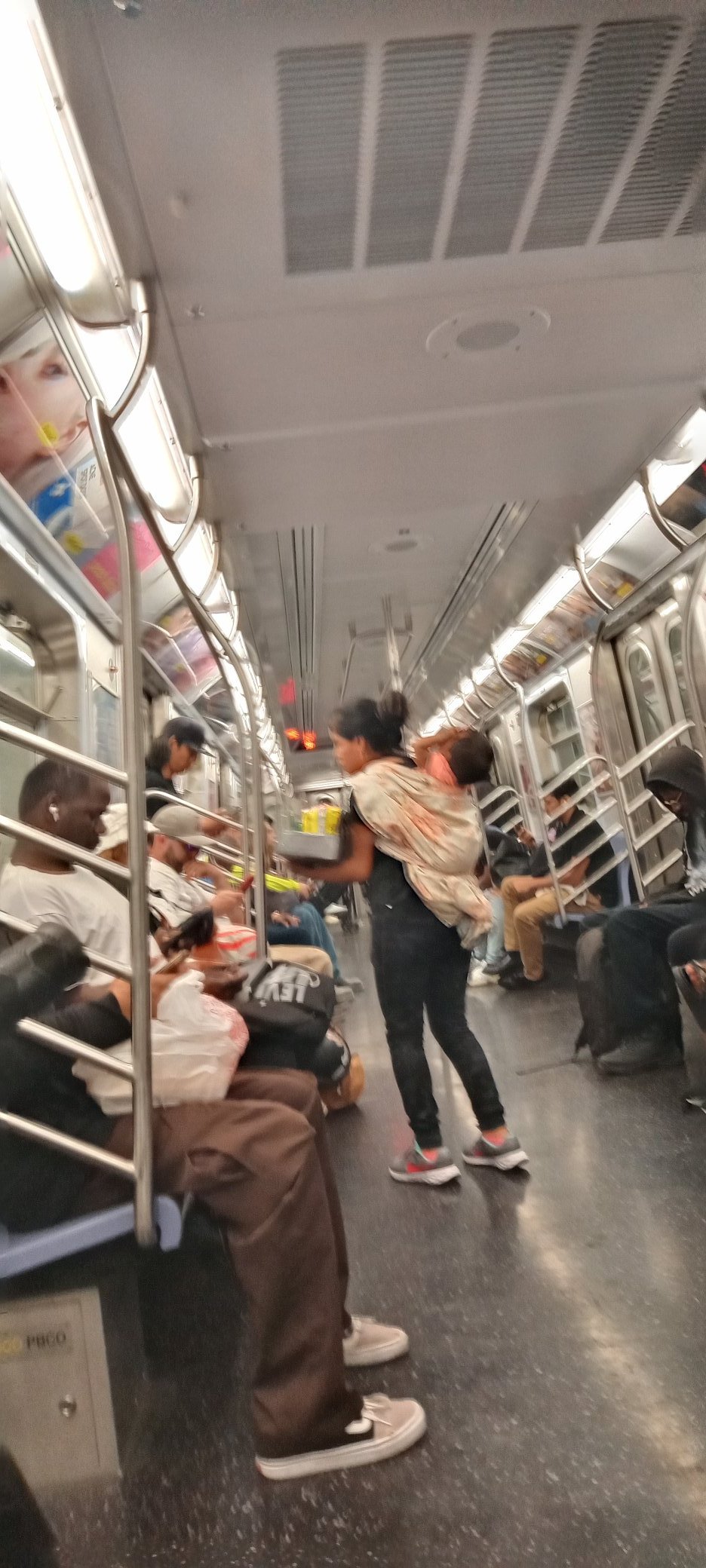
Great, now these families can continue selling candy and deliver food for multiple apps. Ain't that America?
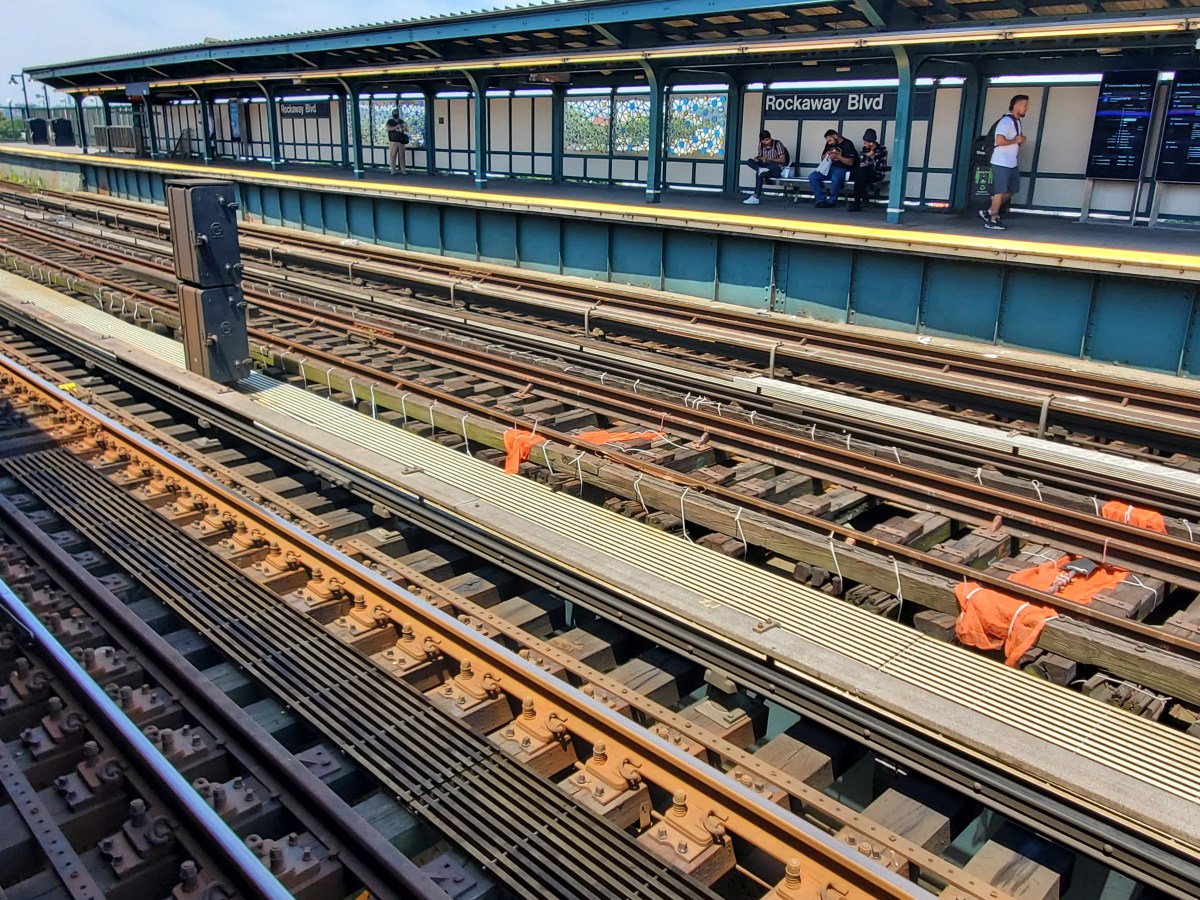
Queens straphangers are worried after spotting zip ties along the tracks at an Ozone Park subway station.
What keeps the trains running in the Big Apple?
Queens straphangers are praying it’s not plastic zip ties.
Dozens of zip ties wrapped around one of the tracks at the Rockaway
Boulevard A train station in Ozone Park have been raising eyebrows and
making some subway riders queasy.
“Should I be worried?” asked nursing student Kayle Persaud. “If I cut one zip tie, does it start to fall?”
The troubling scene, first reported by AM New York,
shows a long line of the plastic ties along the middle track at the
elevated subway station – which one straphanger noted is “not a good
look.”
“The first time I saw it I thought, ‘Hmm… Is it holding the tracks
together?'” said subway rider Eliana Rodriguez. “Even the screws look
like they’re not all the way in.”
Another subway rider, who only identified himself as Ibrahim M, agreed it was a tad concerning.
“Even if it’s not actually holding the track together, it just looks
awful,” he told The Post on Thursday. “They could have cut it off or
painted it the same color. I hope it’s not holding the tracks together
for all the money we pay to travel on the subway.”
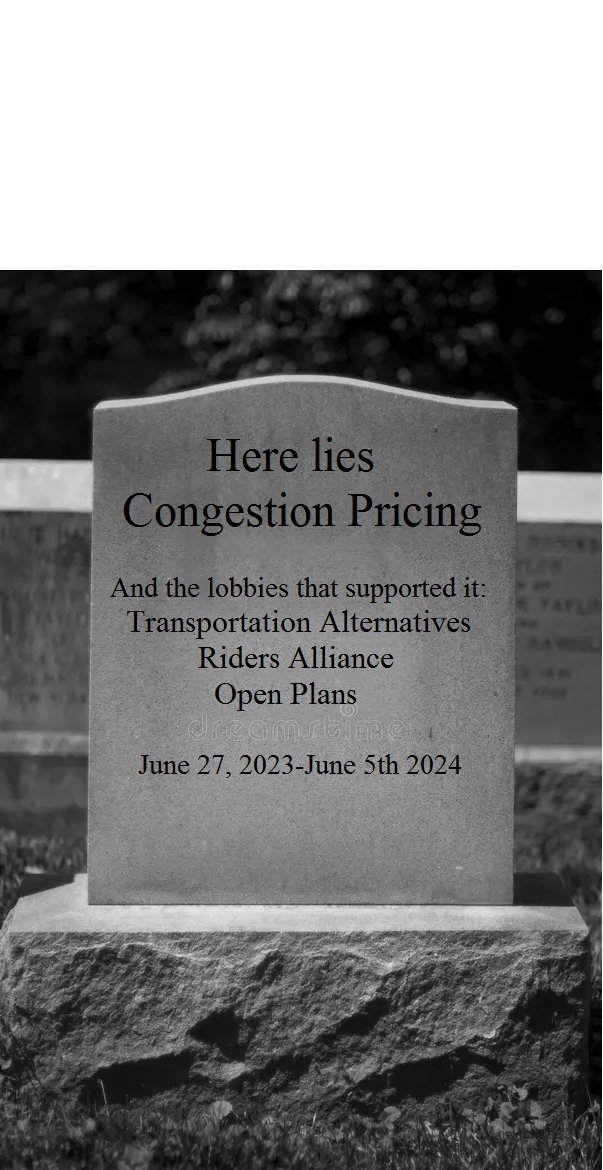
Adding to worries was this week’s MTA announcement that the railroad is halting planned capital projects following Gov. Kathy Hochul’s decision to hold off on the controversial congestion pricing plan.
The MTA’s board voted
Wednesday to indefinitely pause the implementation of congestion pricing
tolls, formalizing an eleventh-hour postponement announced by Gov.
Kathy Hochul earlier this month and officially blowing a $15 billion
hole in the authority’s capital budget.
In a 10-to-1 vote, the
board at its monthly meeting advanced a resolution that hits the brakes
on a long-awaited toll program that would have charged most motorists
$15 to enter Manhattan below 60th Street to reduce traffic and raise
funds to improve the region’s mass transit. The vote firmly shut the
door on the MTA’s board possibly attempting to advance congestion
pricing against Hochul’s wishes.
MTA board member David Mack, who voted against the tolling program in
March, was the sole vote that sought to block the resolution, instead
preferring a permanent halt on the program.
“The
fact is the MTA, it’s just a reality, cannot start implementing
congestion pricing without the New York State DOT sign off,” said a dour
Janno Lieber, the board chair and chief executive of the MTA during the
vote. “Others may litigate that very issue, if so, so be it, but we are
right now where we are.”
As a result, MTA officials said
Wednesday that without a replacement to anticipated toll revenue the
authority must defer $16.5 billion worth of construction projects to
modernize the region’s aging transit system, including a high-profile extension of the Second Avenue subway to Harlem, signal upgrades and new train cars, among many others. Stop-work orders have already gone out to some projects, sending the region’s contractors into a panic.
Tim
Mulligan, the MTA’s deputy chief development officer, said the
authority will have to prioritize essential maintenance and upgrades to
keep the system functioning and defer less critical, but long sought,
accessibility, expansion and modernization work.
“Our guiding
principles for the last 21 days, as we've been going through this
process, has been to maintain the safe and functional operation of the
system,” said Mulligan as he detailed likely changes to the MTA’s
capital program.
“There are things that
make the system better for our customers and for operation,” Mulligan
added, “but they aren't directly related to maintaining existing service
in all cases, and so more deferrals [will happen] to projects that are
from those categories."
The Department of City Planning provided residents an online
refresher course about zoning ahead of a Zoom town hall about proposed
reforms of Downtown Jamaica and parts of Hollis, last Thursday.
During
the Jamaica Neighborhood Plan Town Hall, people had questions about
what will be developed in the area and if its needs will be met with the
plan.
DCP agency reps said they hope to get more feedback from
community members regarding the rezoning. The initiative would transform
Jamaica Center, the downtown area where straphangers catch the E, J and
Z trains, along with nearby regions stretching to the Jamaica and
Hollis Long Island Rail Road stops to Hillside Avenue in the north and
the Van Wyck Expressway to the west. Last Thursday’s event was designed
to lay the groundwork for an environmental review of the plan. The
proposal also calls for rezoning sections of Dunkirk and 160th streets
and Merrick, Sutphin and Guy R. Brewer boulevards, according to DCP.
There will be no zoning changes to single- or two-family areas, said
Shavvone Jackson, a DCP representative.
More
than 200,000 people who live, work or go to school in and around
Downtown Jamaica would be impacted by the rezoning of the area, said DCP
Borough Planner Alisa Nurmansyah, using data from the 2020 Census.
“Zoning
is a set of rules that control how land in a community can be used,”
said Jasmin Tepale, the senior program manager at DCP, who is overseeing
the Jamaica rezoning plan. “It tells us what you can build and where
you can build it ... this includes the type of uses you see in a
neighborhood like residential or commercial zoning ... and what a
building looks like and how tall it can be.”
The three main types
of zoning districts include residential, commercial and manufacturing,
or R, C and M zoning districts. R1 is a low-density residential
district, while R10 is a high-density district.
The purpose of the
rezoning plan is to build up Downtown Jamaica, which consists of mostly
two- to six-story homes and residential, commercial and manufacturing
buildings to create eight- to 16-story buildings to address the growing
population and low housing production in the area, according to the DCP
presentation.
Data from the American Community Survey, released in
2022, said that from 2010 to 2020, Jamaica’s population increased by
13.4 percent, higher than the rest of the city, which grew by 7.7
percent. Housing production in the area increased by 10.1 percent while
housing production in the city grew by 7.3 percent, which is closer to
the citywide population increase, according to DCP.
Profiles of
Queens Community District 12 (Jamaica, Hollis and St. Albans) said the
population was approximately 225,900 in 2010 and 248,158 in 2022.
U.S.
Census data said that the city’s population was 8,804,190 on April 1,
2020. A World Population Review census said the city’s population
decreased to 7,931,147, but is expected to be around 9 million by 2040,
according to a Fox News report on March 28.
Blossom Ferguson, one
resident who was on the Zoom call, asked if any of the housing will be
available to people with low incomes.
A city Housing Preservation
& Development spokeswoman said that if an area is mapped for
mandatory inclusionary housing, its required that a share of new housing
will be permanently affordable. If a developer comes in to erect a
building with more than 10 units, a percentage of them must be
permanently affordable.
“Do you plan on having condos or co-ops?” Ferguson asked. “Is that already established or still in the works?”
Tepale
said that based on previous feedback, many seniors who would like to
leave their single-family home have expressed interest in still owning
property, and condos and co-ops are something that can be created in
residential zones, along with other housing types.
Lisa
Edwards, another resident, said that she believes the whole rezoning
plan is simply gentrification and that the whole process for the
initiative is undemocratic.
“This has not been properly
publicized,” Edwards said. “It does not allow for community members to
hear each other’s voices and discuss.”
Jackson, who spoke during
the zoning refresher, said there are 38 people on the steering
committee, 26 meetings were held and that DCP has reached out to more
than 2,000 people since May 2023.
“We are going to continue to create opportunities for people to engage in this process,” Jackson said.
In a vote affecting the roughly million New York households in
rent-stabilized apartments, the New York City Rent Guidelines Board
voted Monday night to allow rent increases of 2.75 percent for one-year
leases and 5.25 percent for two-year leases beginning Oct. 1.
The
5-4 vote capped a contentious voting session, part of an annual process
in which the city board weighs landlord and tenant economics in setting
permitted rent hikes.
A
crowded tenant group on the Park Avenue sidewalk outside Hunter College
calling for a rent freeze preceded the vote inside. Eleven
demonstrators were arrested after police ordered them to step away from
the entrance.
The final decision comes after a volatile few months
of meetings, including a preliminary vote April 30 during which two
tenant members of the board walked out in protest. In that earlier
meeting, the board decided on a potential range of rent adjustments of
between 2 and 4.5 percent for a one-year lease and 4 to 6.5 percent for
two-year leases.
Public Advocate Jumaane Williams, a former tenant
organizer, spoke at the protest, calling on the board to decide on the
“lowest rent increase humanly possible.”
“Raising rents on tenants
does not help landlords that are suffering,” Williams said to the
crowd. “You can’t raise rent on people that do not have it.”
Landlords and their representatives assert larger increases are necessary to help them maintain buildings and afford taxes.
“Rent
is income that buildings need to meet escalating costs, and we are
hoping for an upward adjustment that recognizes the need to maintain
buildings that are at and approaching 100 years old,” Michael Tobman of
the Rent Stabilization Association told THE CITY.
According
to an annual report the Rent Guidelines Board produces on building
operating costs, buildings that contain rent stabilized apartments had
expenses projected to increase 3.9 percent this year. Meanwhile, tenant
advocates generally argue that raising rent to make up for operating
expenses will only result in more evictions and homelessness.
“There
are small landlords that are dealing with issues and need assistance,”
Williams told THE CITY. “But we need the landlords to get help from the
state and the city, and not from tenants who can’t afford it.”
That is what one Community Board 13 resident
called Mayor Adams’ City of Yes housing proposal versus the possible
reality of the actual plan, which promises a “little bit more housing in
every neighborhood,” before the board’s Land Use Committee unanimously
voted no on the scheme on Monday.
The purpose of the initiative is
to create 100,000 units of housing citywide for 250,000 people by
allowing new apartment complexes on properties such as church parking
lots and the reconstruction of office buildings, garden apartments,
commercial buildings and accessory dwelling units in both commercial and
residential areas to make them affordable in the future. Residents at
the meeting pointed out that there is no actual language in the mayor’s
plan that guarantees low-cost homes for those who need it most.
“I’m
looking at the numbers associated with increasing the housing stock and
reducing homelessness,” Jax Dolly, a CB 13 resident, said during the
meeting, held online.
“I’m seeing that 17 percent of the
population make $20,000 and below — this is in New York City — and 45
percent make $50,000 and below. When you look at the average rent across
the boroughs, it ranges from $3,000 to $5,000 in average rent.”
Dolly
went on to say that if 3.9 million, or 45 percent of people in the Big
Apple, can’t afford to live in the city, how will upending zoning laws
to house 250,000 people address the housing crisis in 15 years?
“It
makes no sense,” she said. “It feels like three-card Monte here. You
are going to essentially be handing a gift to developers to come and do a
land grab where they can build all of these new units, but they don’t
have to offer below market rate to anyone or if they initially do they
can eventually put it at market rate or above at some point. So how is
this going to address the housing crisis long-term?”
Scott Solomon
from the Department of City Planning said it’s understandable to have
healthy skepticism about 100,000 units putting a dent in the housing
crisis, but there is a lack of homes, and the hope is that with more
housing stock, prices would go down.
Jackie Wilson, a CB 13
member, said she does not see the benefit of the plan for people who
live in Queens or within the board’s area.
“You’re going to pile a
bunch of people [together], you’re going to pile on a bunch of traffic
and there’s going to be fewer resources,” Wilson said. “What’s the
benefit for us?
“What’s the benefit to homeowners here?”
The
idea is that housing would be more affordable because there will be
more options and there can’t be more housing options without more
housing production, said Solomon.
“The goal is, primarily, to facilitate incremental housing growth so that housing prices can stabilize,” Solomon said.
Wilson
said that people in residential areas in Eastern Queens already have
homes, so why should the character of their neighborhoods change to
benefit others while her neighbors potentially lose parking spots due to
the housing development mandate making parking optional wherever any
new housing is created?
“There are thousands of people who do live
here who are leaving often,” Solomon said. “They are leaving the city
because they can’t afford it so they sell their home because they can’t
afford living here anymore, or they live in the area, don’t own a home,
they want to buy a home, they leave the area, the city, the region, the
state.”
Community Board 9 voted against City of Yes for Housing Opportunity at its monthly meeting Tuesday.
Prior
to the vote, during the public forum, residents expressed opposition to
the mayor’s sweeping proposal to update zoning laws, citing
overdevelopment concerns, quality of life and overcrowded schools. The
opinions echoed those of many at a Zoom meeting held a few weeks prior,
where residents living in Community District 9 largely spoke against the
proposal.
The group’s Land Use and Housing Committee, led by
members Sylvia Hack and Andrew Taranto, introduced a resolution against
the zoning text amendment.
When
the resolution was brought before the board, almost all in attendance
voted in favor of the decision to not support the proposal. There were
only two abstentions and no dissent.
Residents of Community District 10 largely do not support City of Yes
for Housing Opportunity — and they’re making it clear to their
community board.
At Board 10’s meeting last week, the community
turned out to make its opposition heard, alongside written notice of
residents’ opinions.
The Howard Beach Lindenwood Civic, led by
Phyllis Inserillo and Barbara McNamara, had spread the word for weeks
about the board’s June 6 meeting, where the Department of City Planning
presented the mayor’s zoning text amendment that aims to loosen
restrictions and address the housing crisis.
The
proposal includes removing parking mandates, legalizing accessory
dwelling units and more housing above businesses, adding
transit-oriented development and a new Universal Affordability
Preference, which would allow developers to add at least 20 percent more
housing to buildings if the additional homes are affordable to
households earning 60 percent of the area median income.
After the
board voted “yes” with conditions to the economic portion of the City
of Yes proposal, which passed the City Council last week, Inserillo, who
is also the chief of staff for Councilwoman Joann Ariola (R-Ozone Park)
but recused herself from her duties for the meeting, cautioned against a
similar type of vote.
She said she had not spoken to a single
person within the confines of Board 10 that supported the text
amendment. She also said that at a City Council Land Use Committee
meeting in April, the chair of the DCP, Dan Garodnick, said a vote of
yes from the community board with conditions is still a yes — even if
those conditions are not met.
“You did that the last time in the
economic portion but you cannot do that again,” Inserillo said. “Our
community does not even want a ‘no’ vote with conditions. This plan will
be a disaster for this community and the only vote we want to hear from
this board is ‘no.’”
“We
say no,” said McNamara during the public forum. “We live here because
we want our suburban feeling while being close enough to go into the
city to enjoy our theaters, museums, restaurants, etcetera. We do not
want ADUs or basement dwellers or housing above our stores on Crossbay
Boulevard or many apartment buildings in old Howard.”
Both Inserillo and McNamara received loud applause from the crowd following their words.
Other
residents spoke on concerns that the new zoning would leave schools
overcrowded and put too much pressure on the neighborhood’s firehouse on
Cross Bay Boulevard, which would have more units to tend to.
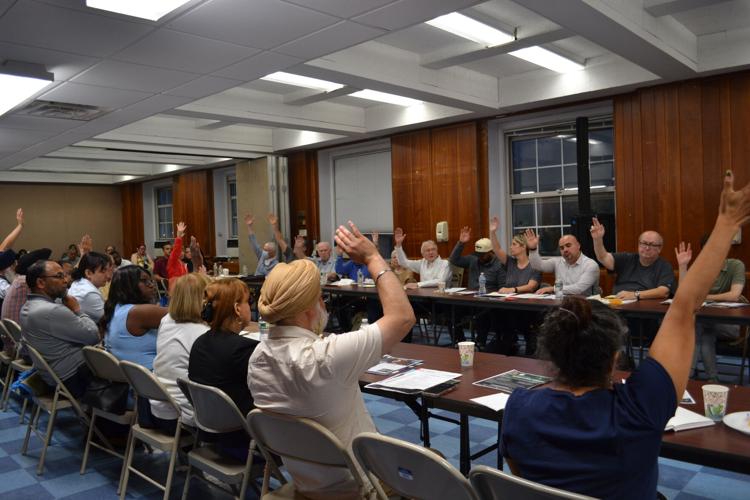
The
civic later posted a photo of the meeting turnout on social media,
writing, “Howard Beach is saying NO to the City of Yes at the Community
Board 10 meeting. We have a packed house with standing room only and
there isn’t much more room to stand.
“Together, we have collected
over 2,500 signatures on letters opposing the City of Yes and we will
continue to collect up until the vote. Thank you to everyone who has
signed and a huge thank to all those who have collected letters. Our
voices are being heard loud and clear.”
Italicized passages and many of the photos come from other websites. The links to these websites are provided within the posts.
Why your neighborhood is full of Queens Crap
"The difference between dishonest and honest graft: for dishonest graft one worked solely for one's own interests, while for honest graft one pursued the interests of one's party, one's state, and one's personal interests all together." - George Washington Plunkitt
The above organizations are recognized by Queens Crap as being beneficial to the city as a whole, by fighting to preserve the history and character of our neighborhoods. They are not connected to this website and the opinions presented here do not necessarily represent the positions of these organizations.
The comments left by posters to this site do not necessarily represent the views of the blogger or webmaster.