Showing posts with label YIMBY. Show all posts

Wednesday, November 5, 2025

Another four years of Queens Crap and beyond

Image

PIX News 

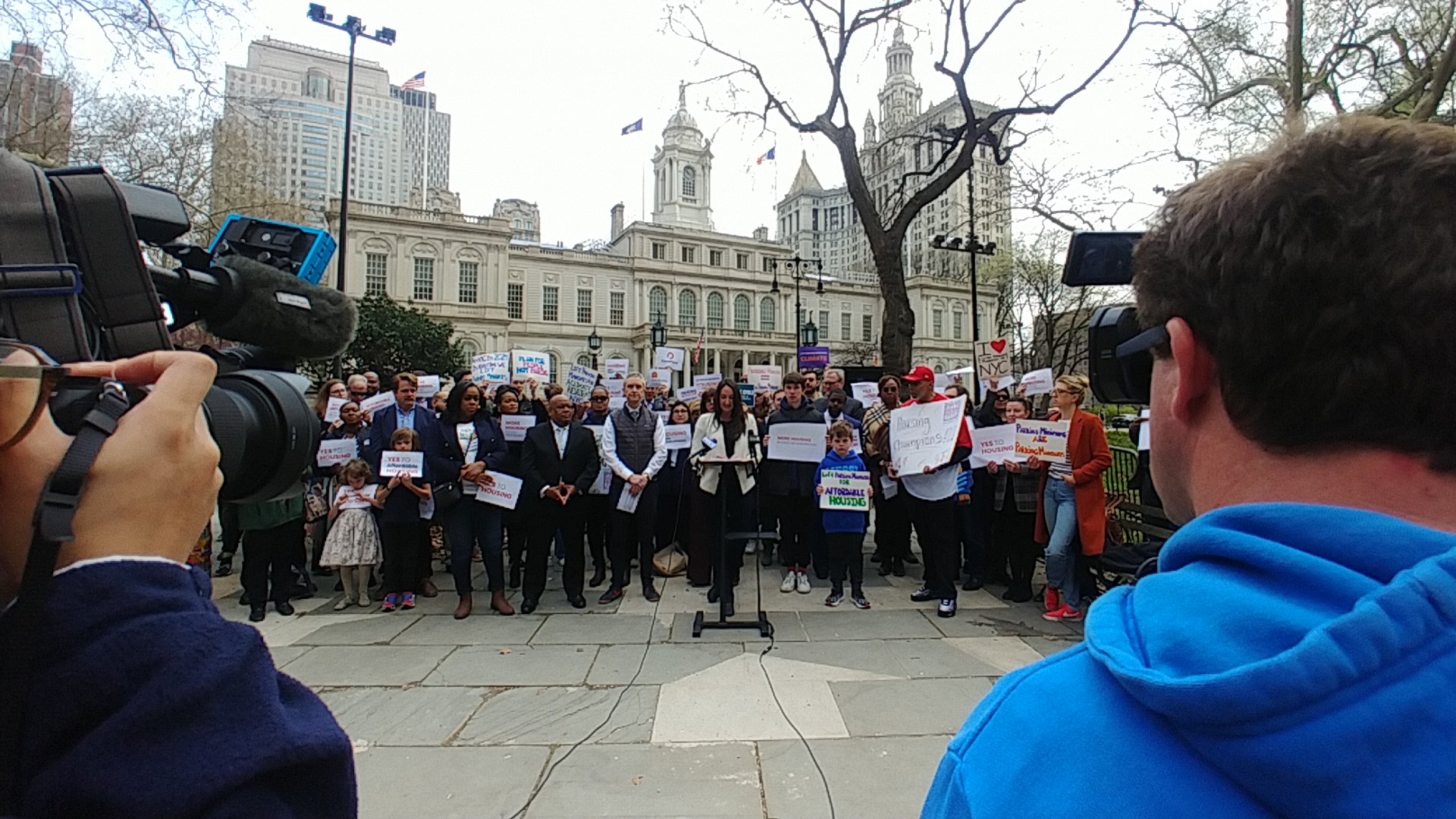
 New York City voters approved ballot proposals 2, 3, and 4, which are aimed at fast-tracking affordable housing developments, according to the Associated Press.

Over 50% of New York City renters and around 45% of homeowners pay more than 30% of their yearly salary toward housing, according to the Yes on Affordable Housing Coalition.

Proposition 2 creates two alternatives to the Uniform Land Use Review Procedure (ULURP), the seven-month process for determining how land is used. Not all land in the city goes through ULURP, but zoning changes like affordable housing “must go through public review and approval,” according to the Department of City Planning.

The proposition, which would fast-track affordable housing applications at the City Planning Commission (CPC) or Board of Standards and Appeals (BSA), effectively removes the City Council from the review process.

 Publicly financed affordable housing projects will now be subject to a 90-day review by the BSA, rather than the seven-month process. The CPC will review applications from the 12 communities with the lowest affordable housing rates in New York City within 30 to 45 days.

 Proposition 3 is meant to simplify the approval for smaller infrastructure projects by also keeping the City Council out of the review process. It would create an Expedited Land Use Review Procedure (ELURP), which would involve a 90-day review from the local community board, borough president, and CPC.


Proposition 4 establishes the Affordable Housing Appeals Board. Currently, the City Council has the final say in affordable housing projects, with only the mayor able to veto. The new board will have the power to veto the City Council. The borough presidents, City Council speaker, and mayor will all be on the board.

Advocates argue that removing the City Council from the process will help create more affordable, smaller housing quickly, especially in neighborhoods that lack it. Councilmembers, however, say that removing them from the process will give developers too much power and take away theirs.


Tuesday, June 25, 2024

NYC Planning wants a little more upzoning on Sutphin


 Queens Chronicle

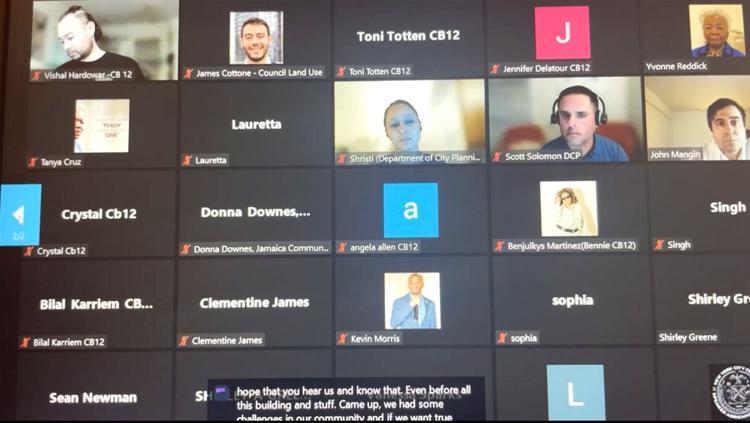
The Department of City Planning provided residents an online refresher course about zoning ahead of a Zoom town hall about proposed reforms of Downtown Jamaica and parts of Hollis, last Thursday.

During the Jamaica Neighborhood Plan Town Hall, people had questions about what will be developed in the area and if its needs will be met with the plan.

DCP agency reps said they hope to get more feedback from community members regarding the rezoning. The initiative would transform Jamaica Center, the downtown area where straphangers catch the E, J and Z trains, along with nearby regions stretching to the Jamaica and Hollis Long Island Rail Road stops to Hillside Avenue in the north and the Van Wyck Expressway to the west. Last Thursday’s event was designed to lay the groundwork for an environmental review of the plan. The proposal also calls for rezoning sections of Dunkirk and 160th streets and Merrick, Sutphin and Guy R. Brewer boulevards, according to DCP. There will be no zoning changes to single- or two-family areas, said Shavvone Jackson, a DCP representative.

More than 200,000 people who live, work or go to school in and around Downtown Jamaica would be impacted by the rezoning of the area, said DCP Borough Planner Alisa Nurmansyah, using data from the 2020 Census.

“Zoning is a set of rules that control how land in a community can be used,” said Jasmin Tepale, the senior program manager at DCP, who is overseeing the Jamaica rezoning plan. “It tells us what you can build and where you can build it ... this includes the type of uses you see in a neighborhood like residential or commercial zoning ... and what a building looks like and how tall it can be.”

The three main types of zoning districts include residential, commercial and manufacturing, or R, C and M zoning districts. R1 is a low-density residential district, while R10 is a high-density district.

The purpose of the rezoning plan is to build up Downtown Jamaica, which consists of mostly two- to six-story homes and residential, commercial and manufacturing buildings to create eight- to 16-story buildings to address the growing population and low housing production in the area, according to the DCP presentation.

Data from the American Community Survey, released in 2022, said that from 2010 to 2020, Jamaica’s population increased by 13.4 percent, higher than the rest of the city, which grew by 7.7 percent. Housing production in the area increased by 10.1 percent while housing production in the city grew by 7.3 percent, which is closer to the citywide population increase, according to DCP.

Profiles of Queens Community District 12 (Jamaica, Hollis and St. Albans) said the population was approximately 225,900 in 2010 and 248,158 in 2022.

U.S. Census data said that the city’s population was 8,804,190 on April 1, 2020. A World Population Review census said the city’s population decreased to 7,931,147, but is expected to be around 9 million by 2040, according to a Fox News report on March 28.

Blossom Ferguson, one resident who was on the Zoom call, asked if any of the housing will be available to people with low incomes.

A city Housing Preservation & Development spokeswoman said that if an area is mapped for mandatory inclusionary housing, its required that a share of new housing will be permanently affordable. If a developer comes in to erect a building with more than 10 units, a percentage of them must be permanently affordable.

“Do you plan on having condos or co-ops?” Ferguson asked. “Is that already established or still in the works?”

Tepale said that based on previous feedback, many seniors who would like to leave their single-family home have expressed interest in still owning property, and condos and co-ops are something that can be created in residential zones, along with other housing types.

Lisa Edwards, another resident, said that she believes the whole rezoning plan is simply gentrification and that the whole process for the initiative is undemocratic.

“This has not been properly publicized,” Edwards said. “It does not allow for community members to hear each other’s voices and discuss.”

Jackson, who spoke during the zoning refresher, said there are 38 people on the steering committee, 26 meetings were held and that DCP has reached out to more than 2,000 people since May 2023.

“We are going to continue to create opportunities for people to engage in this process,” Jackson said.

Saturday, May 18, 2024

City Of Don't Mess With Us

 https://bloximages.chicago2.vip.townnews.com/qchron.com/content/tncms/assets/v3/editorial/0/f0/0f001eb2-71df-59cb-870f-bb1daa631c0c/66462c5b4e67d.image.jpg?resize=750%2C423

 Queens Chronicle

None of the members of Community Board 12’s Land Use Committee were for Mayor Adams’ City of Yes housing plan after listening to a presentation from the Department of City Planning on May 7.

In fact, many felt downright disrespected by the proposal, which they said was created without any community input.

The mayor’s plan calls for upzoning single-family areas to make way for denser multifamily buildings.

The measure would allow low-density housing areas with three to five stories to be eligible for higher density; more houses to be built by subway stations; basement, attic and garage apartment legalization; and religious institutions dedicating parcels of their land to housing. The purpose of the plan is to build enough units to help bring down the costs as the city goes through a housing crisis.

Rene Hill, a CB 12 member, said she does not consider herself a “not in my backyard” person, but she along with others on the committee and the community board bought their homes because of the area’s low density. She doesn’t believe the housing plan will work as intended, and worse, it will drive up prices in residential areas, pushing homeowners out.

“We are trying to keep our homes,” Hill said. “We are middle-class people who want to stay here. We do not want to move into Long Island.”

Hill said developers are renting single bedrooms for upwards of $3,000 a unit and if the administration wants to solve the housing crisis, probably it should put a cap on rent instead of investing in high-rise hotels.

“It should be $650 or $750,” Hill said about rent at apartment complexes. “This is ridiculous, this is an insult, this is disrespectful to us and you should tell the mayor stay away from us. He needs to because he will not be elected again. You can let him know that ... We are going to vote Republican if we have to.”

Michelle Keller said instead of the DCP trying to defend the mayor’s housing plan, it has sent different representatives to the board’s meetings trying to “cajole us.”

“You need to listen to the taxpayers and the constituents here,” Keller said. “You are trying to tell us here that having these high-rise buildings or [accessory dwelling units] is going to be minimal and is going to help us. The elephant in the room is that you are helping these people who are coming from these other countries and now you want us to be onboard with that. I’m not on board with it.”

“Stop acting like you are for us,” Keller said to the DCP representatives. “I do not even know where you live, but when that happens most of us will be in a pickle and we will have to deal with the taxes on our homes and the quality of life has already gone down the drain.”


Saturday, May 11, 2024

City of what again?

  Image

Queens Chronicle

Paul Graziano lives in Flushing, but he had a direct message Monday night for his neighbors in Forest Hills.

“We are the target of City of Yes,” said Graziano, a planning and land use expert, said to a room of more than 200 people at an emergency town hall meeting of the Forest Hills Community and Civic Association. “The intent of City of Yes is to eliminate owner-occupied housing and replace it with rental units ... The aim, essentially, is to allow developers to build whatever they want as of right.”

City of Yes is a three-pronged initiative from the Adams administration which the Mayor’s Office said will reduce carbon emissions, stimulate jobs and businesses and increase the construction of housing.

The carbon portion was approved by the City Council in December.

The reasons for Monday’s emergency meeting, according to civic President Claudia Valentino, were the city’s presentation on the economic development portion to Community Board 6 scheduled for last night, May 8; and a hearing before the City Council on the housing portion on June 4.

Even residents who are not members of the FHCCA turned out in force at the parish hall of Our Lady Of Mercy Church on Kessel Street. A good meeting, Valentino said, normally can draw about 50 people.

“They support City of Yes,” Valentino said of Board 6 leadership. “They rubber-stamped [the carbon emissions portion] without our approval.”

She told Monday’s crowd that they needed an equally strong turnout at Wednesday’s CB 6 meeting.

Valentino dislikes numerous aspects of the economic development and housing plans, pointing out they would allow businesses to open in residential neighborhoods where they cannot now, and could allow massive apartment buildings in single-family home neighborhoods.

“It’s complicated,”she said of the proposals running more than 1,000 pages apiece. “You’re not expected to dig through it ... That’s deliberate.”

She had letters ready for signatures to Councilwoman Lynn Schulman (D-Forest Hills) demanding that all present one- and two-family housing zones must remain in place; that corner stores not be allowed in those same neighborhoods among other things.

Graziano pointed out that most of the community boards in the city, and all but three in Queens, including CB 6, have voiced opposition to City of Yes thus far.

“They never mention that,” he said of the administration. He and Valentino counseled residents to not just accept City of Yes as a fait accompli. Valentino said she heard the same thing 25 years ago when residents and the city told her she could not succeed in downzoning large swaths of residential neighborhoods in Forest Hills.

“They forgot about me,” Valentino said of administration officials. “Unluckily for them, I didn’t die. I know what I’m doing.”

Queens Chroncle 

Hundreds of people were in attendance at a City of Yes housing presentation at Cambria Heights Library last Saturday.

Throughout the forum Paul Graziano, an urban planner, said the city is actively trying to destroy single-family zoning through upzoning, to make way for dense multifamily buildings.

Graziano said approximately 50 percent of single-family housing throughout Queens, Staten Island, Southern and Central Brooklyn and Northern and East Bronx would be impacted by the city “eliminating” existing zoning.

According to stats from Graziano, while the Big Apple is the largest big city by population — more than 8.3 million — it has the smallest share of single-family homes — 15 percent — across the country. In comparison, LA, second in terms of population — over 3.8 million — is 75 percent single-family homes. Washington, DC, has a population of 670,050 but double the single-family homes in New York.

Graziano was thankful to Assemblymembers Ed Braunstein (D-Bayside), Nily Rozic (D-Fresh Meadows) and Alicia Hyndman (D-Springfield Gardens), along with state Sen. Leroy Comrie (D-Jamaica), who prevented a state version of the housing plan to get through in 2022. He now wants to raise awareness about Mayor Adams’ housing plans, which he said also would push through transit-oriented development, more mandatory inclusionary housing, town-centered housing units, religious housing and legalized accessory dwelling units.

“The electeds here were some of the hardest fighters in shutting that down,” Graziano said. “They essentially walked out of [budget] negotiations and [Hochul] dropped everything.”

Graziano said Queens folks should leverage the 2025 election to get municipal leaders to say no to City of Yes, Adams’ rezoning plan. Residents, who fought since 2004 to stop overdevelopment in residential communities, approved downzoning plans for the neighborhood and now the city is pushing against the interest of the people.

“This administration has stated publicly that lower-density neighborhoods are the cause of the housing crisis,” said the urban planner. “We have a target on our backs.”

Graziano also called out mainstream news outlets like the Daily News, which said in an April 14 editorial that “those who want to live in a suburb, we’ll remind you there are several in the vicinity of the five boroughs. This is New York City.”

“If you take our communities out of the mix, there is virtually no single-family zoning in the City of New York,” said Graziano. “The transit zone is going to allow apartment buildings all over the place that is cross-hatched [on a map he showed]. This is Rosedale, Laurelton, Springfield Gardens, Addisleigh Park and Queens Village, just a few blocks north of Murdock [Avenue].”

Low-density housing areas or commercial buildings with three to five-stories would be eligible for higher density; more houses will be built by train and subway stations; basement, attic and garage apartments would be legalized; religious institutions would be allowed to dedicate parcels of their land to housing complexes; and much of the proposed developments would come with little to no parking and take up some green spaces under Adams’ plan.

“That [plan] just went to the City Council and they are going to vote on this at the end of the month,” said Graziano, to the crowd, which also included people and civic leaders from St. Albans, Rosedale, Queens Village and Bayside. “There is no affordable housing. [ADUs and TOD would] replace older occupied homes with market-rate rentals ... There is an affordability thing with higher density buildings ... but its [virtually] nothing.”

Saturday, March 30, 2024

City of God

 https://images.squarespace-cdn.com/content/v1/5b9ffe0f1137a680c2c08250/7c196b6c-bb40-41e6-8463-b5f539901ec4/53603267592_5f926a471e_k.jpeg?format=2500w

 Queens Eagle

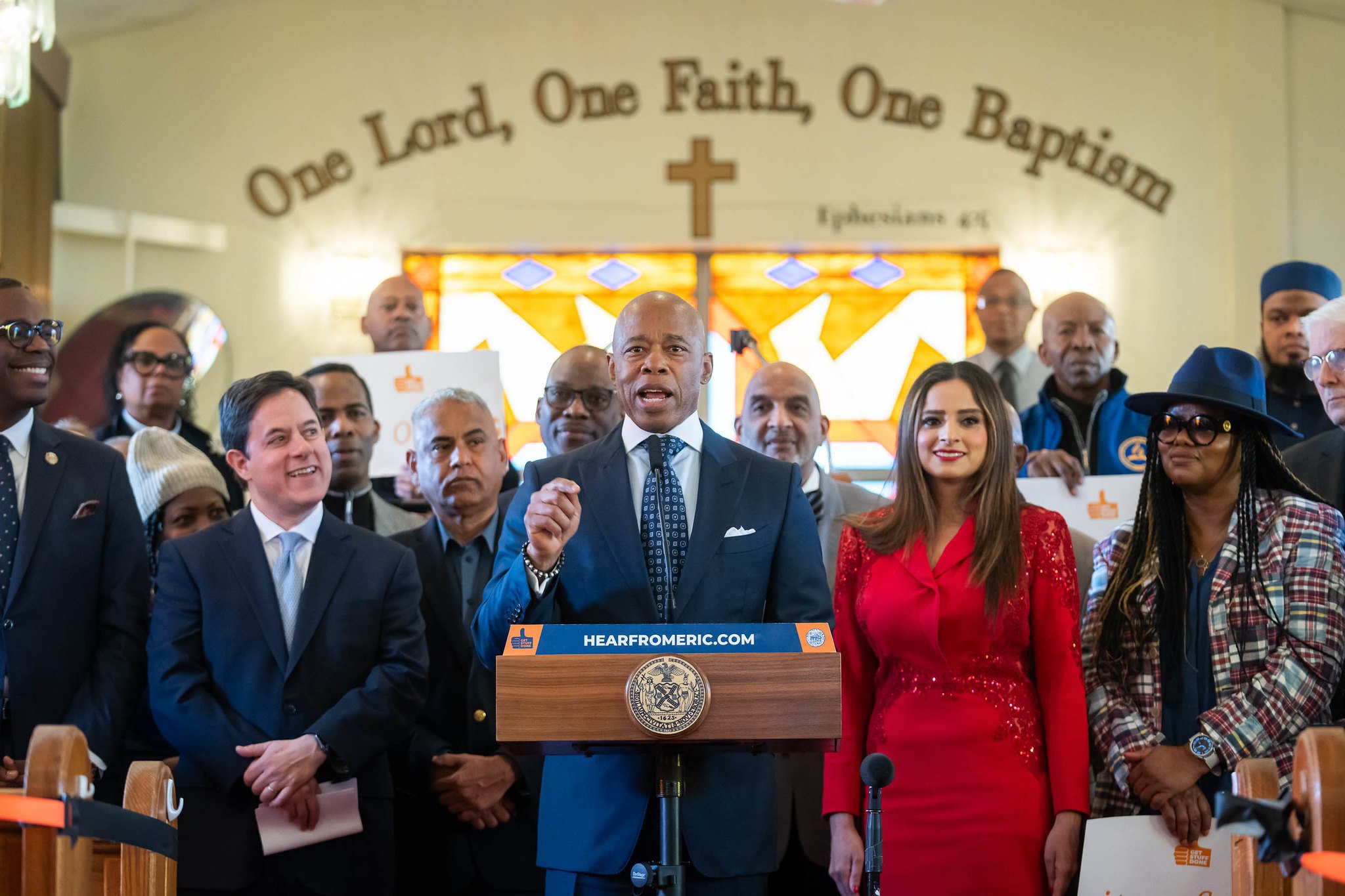
Mayor Eric Adams made a trip to Queens on Friday to announce a faith-based housing initiative that would allow houses of worship to more easily build affordable housing.

Adams, alongside South Queens clergy members and other elected officials, unveiled the plan, which he says will make it easier for faith-based organizations to add new housing on their property and generate income for their organizations through zoning law changes.

The initiative is included under the mayor’s expansive City of Yes housing program, which proposes zoning changes that would add “a little more housing in every neighborhood,” but has received some pushback from suburban areas in Queens and other boroughs from residents who are resistant to building up housing density in residential neighborhoods.

Highlighting one aspect of the plan on Friday, the mayor said the zoning law changes would allow faith campuses, which are typically large lots with multiple buildings on them, to create new housing on their available land.

“We cannot let old, outdated zoning rules keep us from building new housing and our mission driven, faith-based and community organizations can play a special role in this entire process,” said Adams from Antioch Baptist Church. “So, we say, ‘Yes, in God's backyard,’ today.”

As the city deals with an ongoing affordability crisis as well as an overcrowded shelter system, the hope is that programs like the one announced on Friday can open the door to more affordable housing in New York City neighborhoods, the mayor said.

“We're throwing open the door to new solutions and new housing that would help us solve the crisis by working with our churches, our synagogues, mosques and other faith organizations to build more housing and reclaim our city,” Adams said.

In Queens, Borough President Donovan Richards called the lack of affordable housing a “state of emergency.”

“We have 40,000 migrants in our care in this borough, but let me also add that we had a compounding issue with homelessness for a long time in our city as well,” he said at the church on Friday. “So, you add those two things together, and we are in a state of emergency – but there are some great signs of progress in the borough.”

Richards spoke in support of the faith-based housing plan, as well as City of Yes proposal more generally.

“This rezoning really gives us the opportunity to not just talk about the housing crisis but to get to be a part of the solution,” he said.

“I've heard from many of our leaders who want to be a part of the solution who want to do God's work, but who are really prohibited from doing it because sometimes…we have challenges in financing,” he added. “But one way to ensure we can move many of these projects forward is to do what God has called us to do and that is to take care of the least amongst us.”

The plan also aims to help the houses of worship. as well – a group that largely supported Adams’ bid for mayor – by allowing them to make revenue from the program.

“We have to have more flexibility,” Adams said. “We have to live in the real world. The ideal cannot collide with the real, and these faith-based leaders have been talking about this over and over again. They want to deliver more housing and we want to give them the opportunity to do so.”


Monday, July 24, 2023

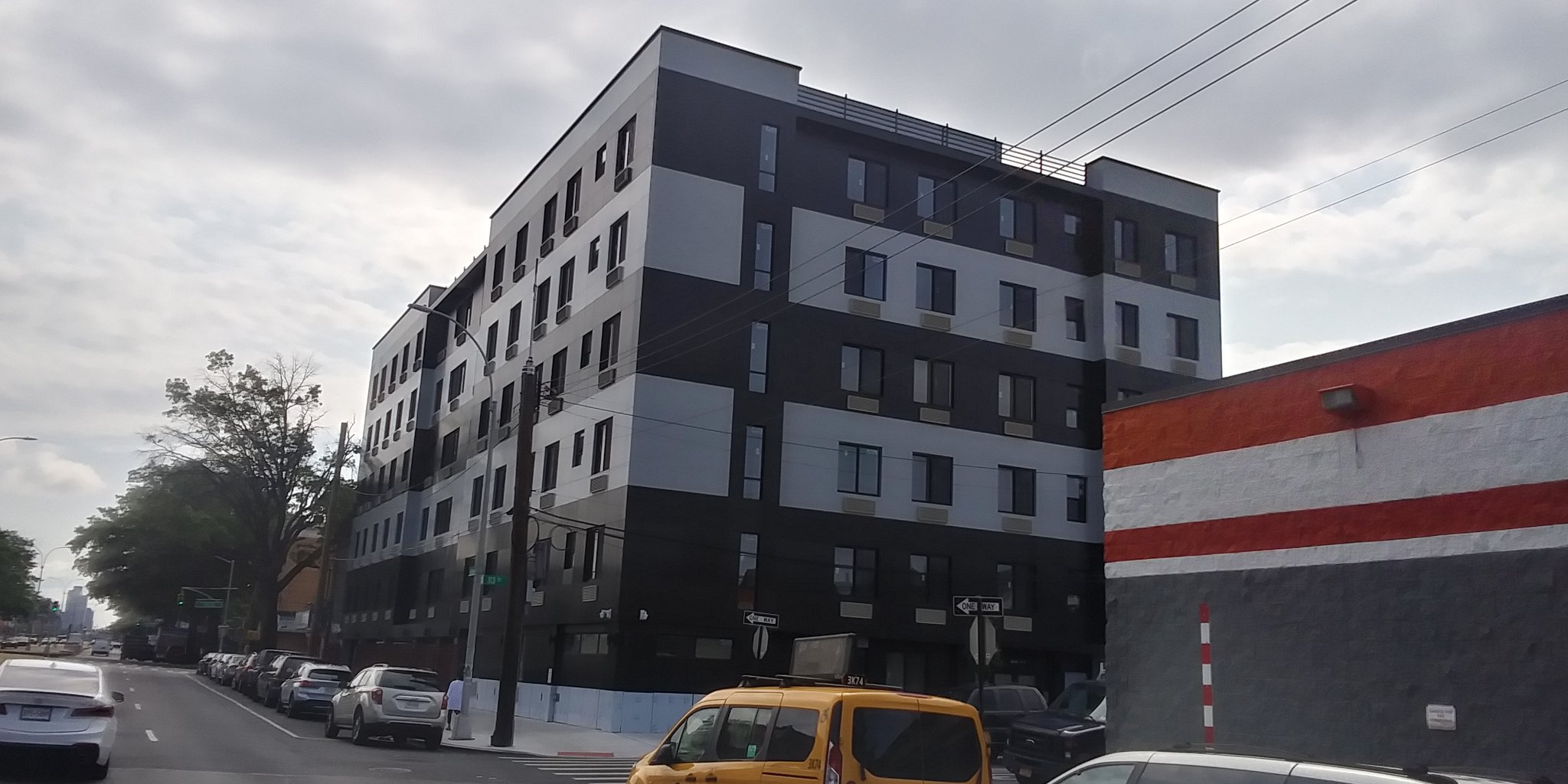
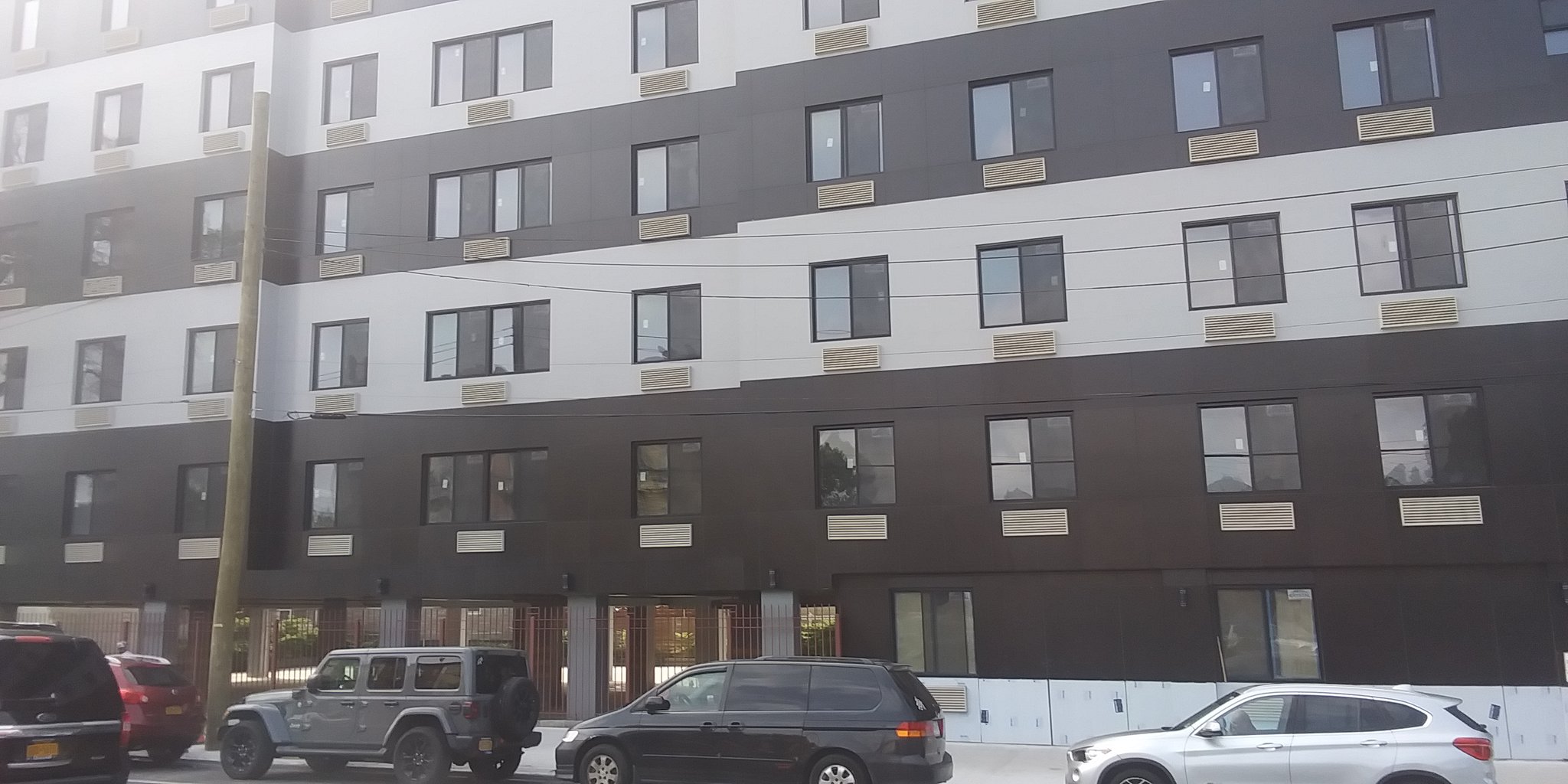
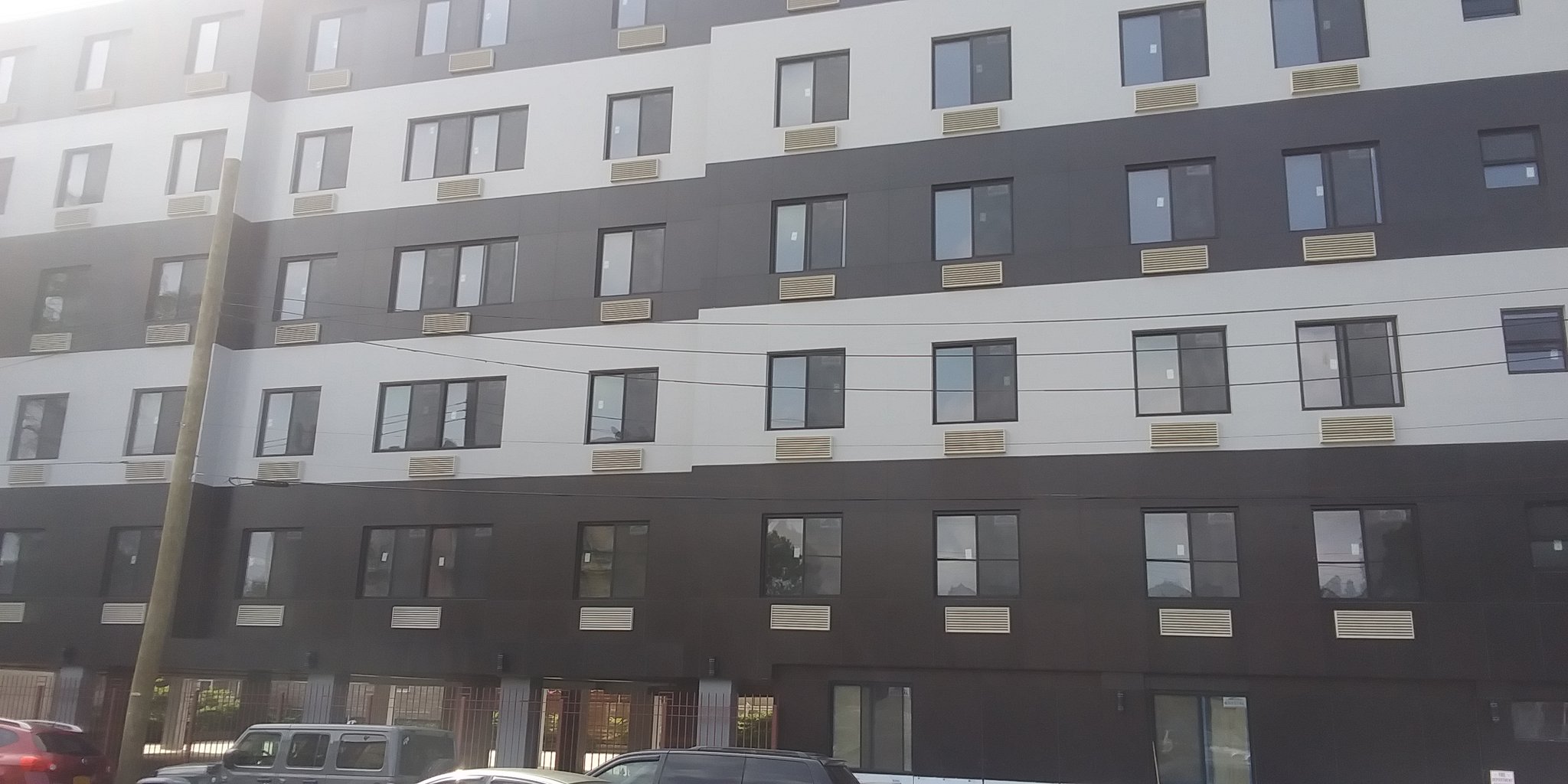
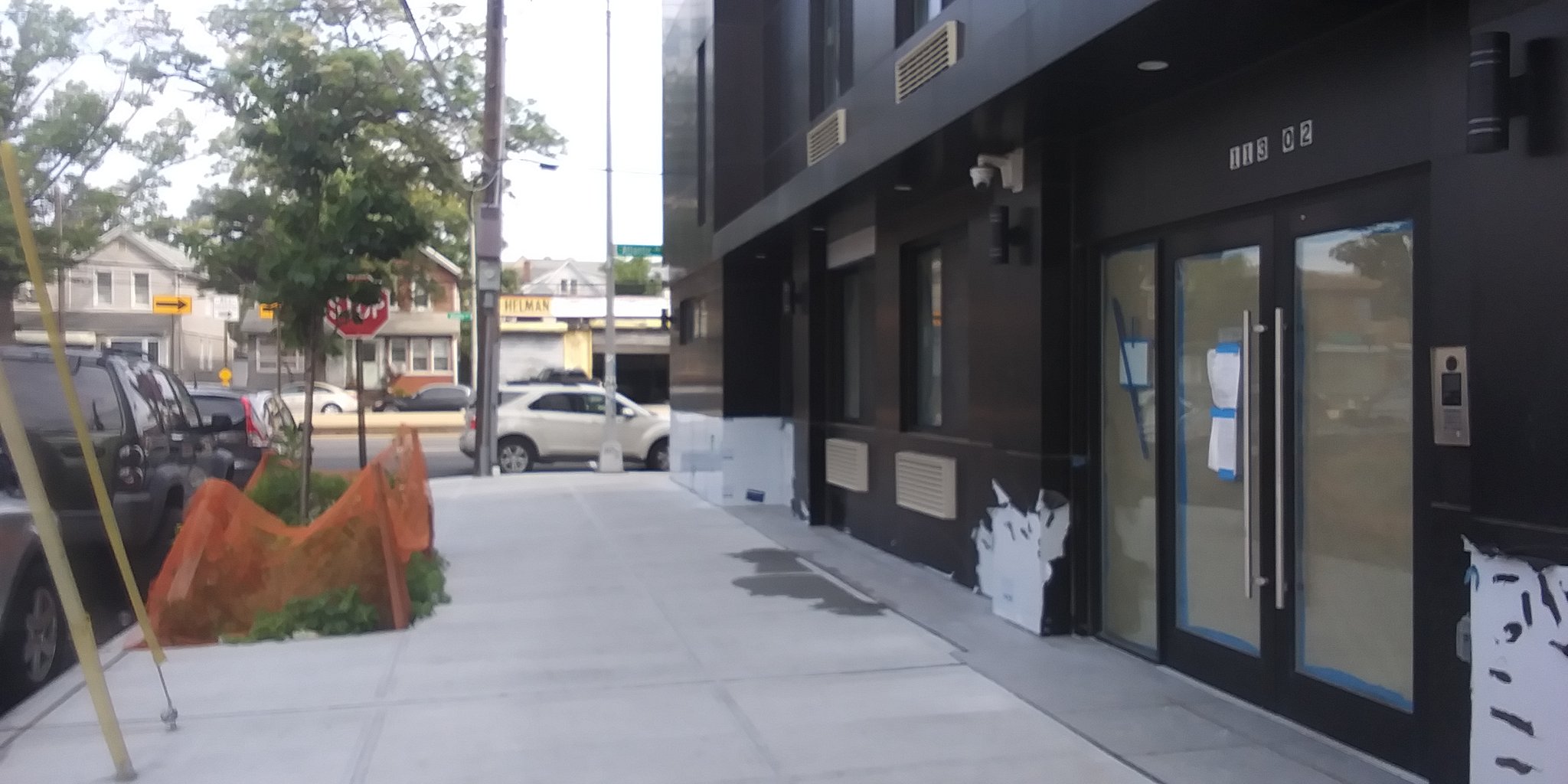
Why do all these new density housing buildings look like this?

Image

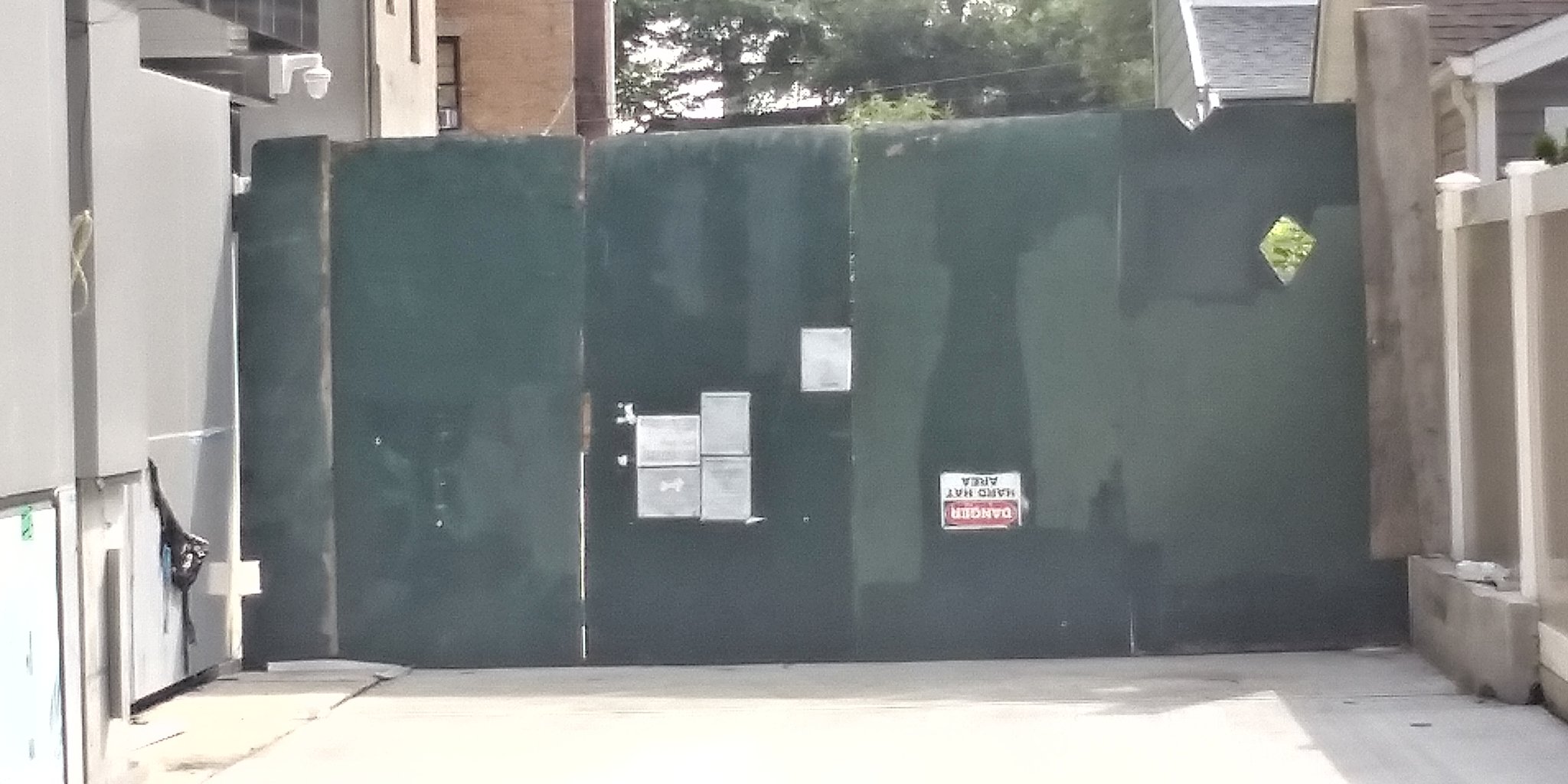
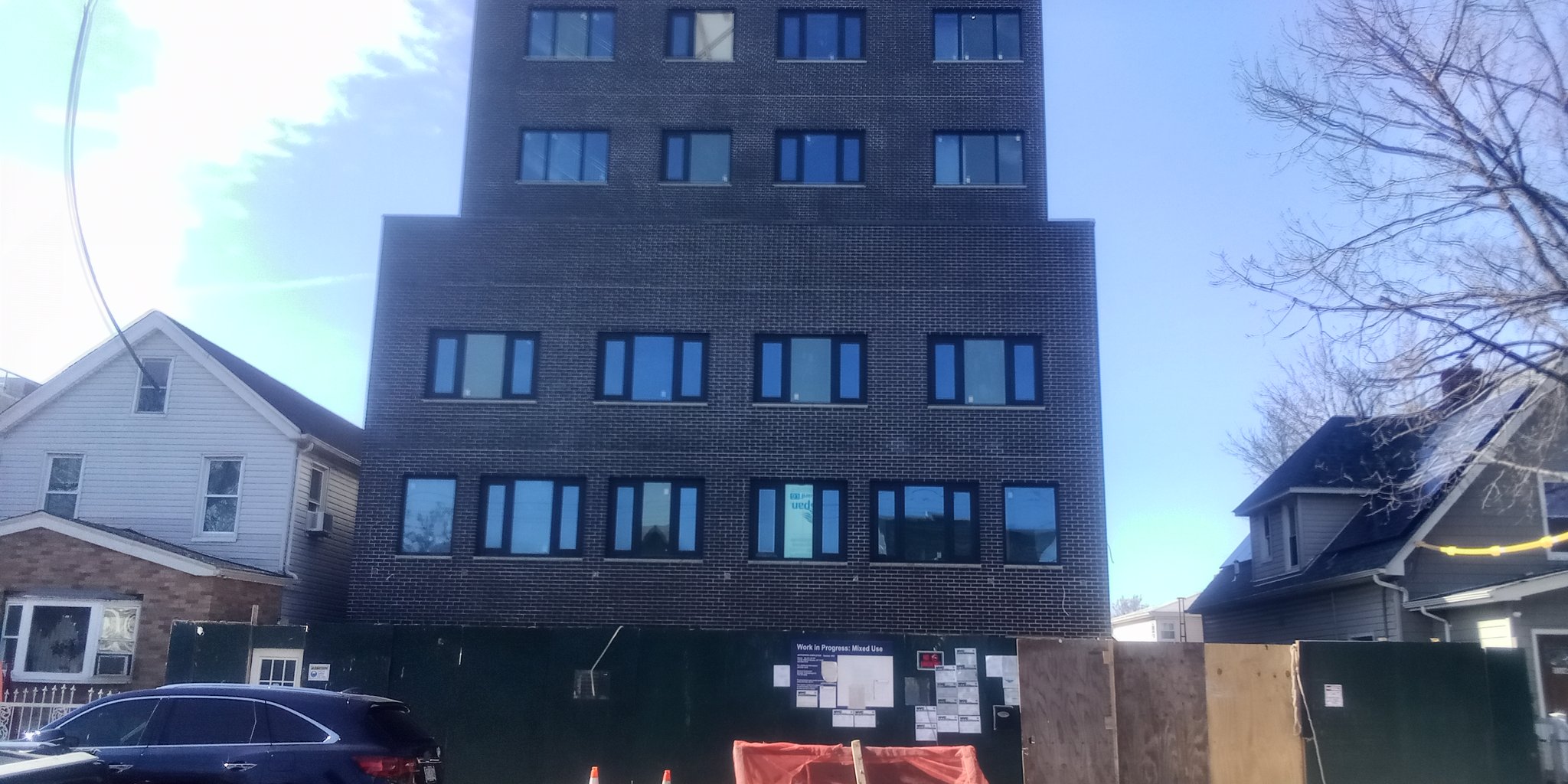
Looks like Richmond Hill has got a new neighbor. Another black and gray density housing apartment building. No indication that's this out of scale behemoth on Atlantic Avenue will be "affordable". 
 
 
https://pbs.twimg.com/media/Fzn7UaNX0AIX3nL?format=jpg&name=large 
 
Image
 
Image
Image
 
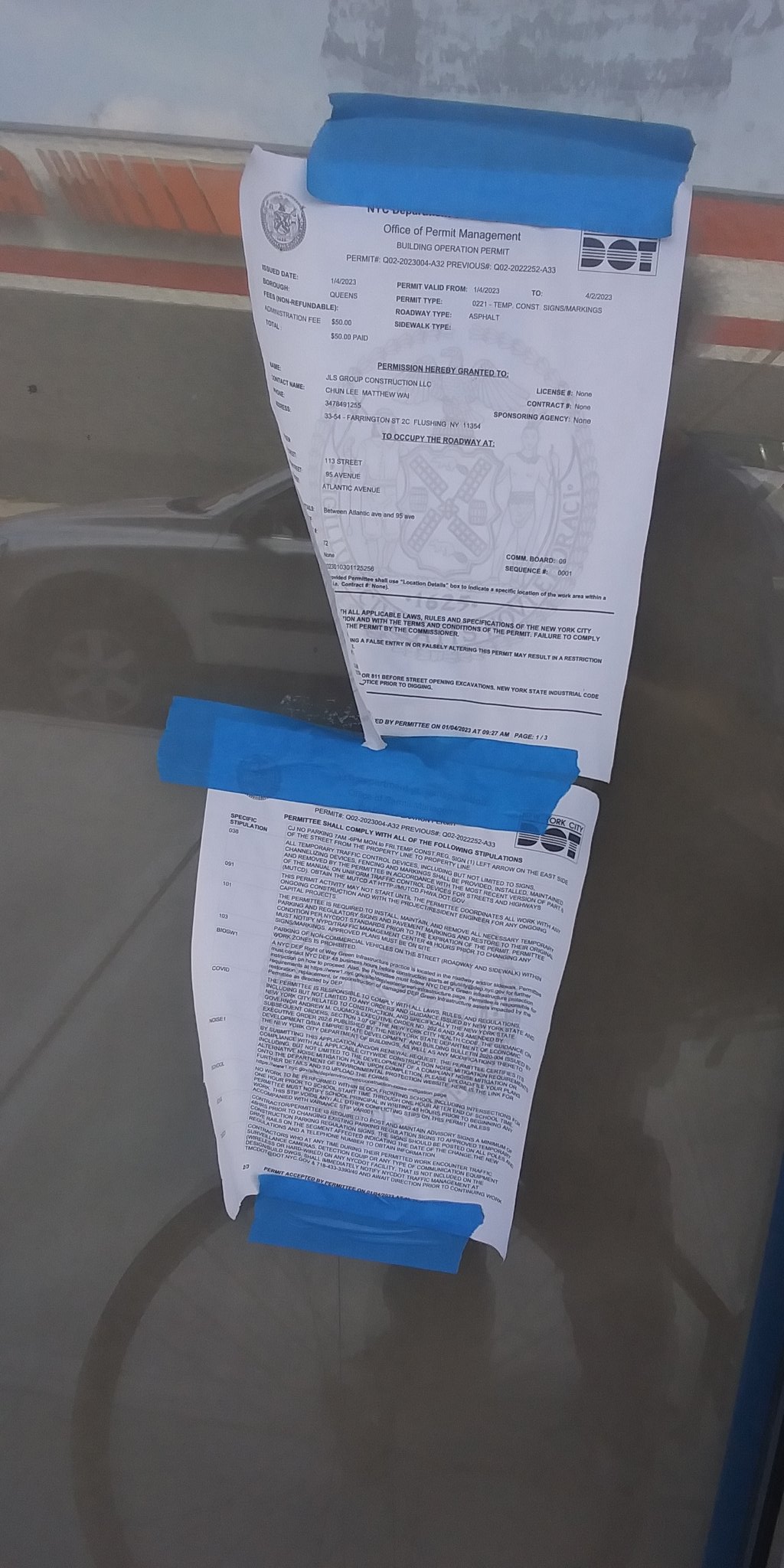
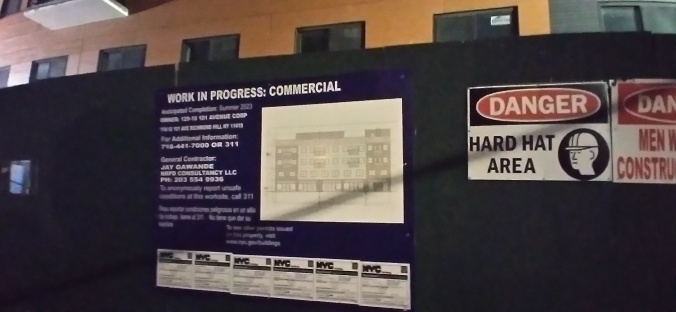
And you have to do a head stand to see their NYC_Buildings permits.


Image

 Image

Wednesday, March 29, 2023

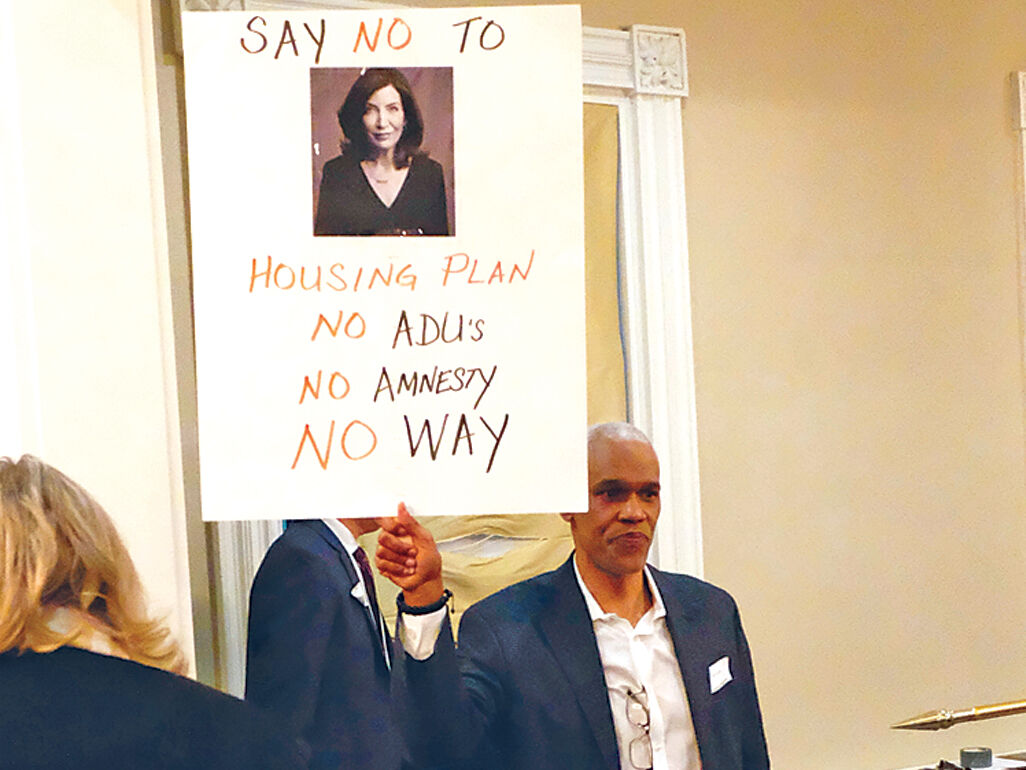
Southeast Queens Communities open letter to YIMBY Hochul

https://pbs.twimg.com/media/FqDrLjgXwAAeeYr?format=jpg&name=large

Save1FamilyNY

 For decades, Southeast Queens has been held up as a model of the American Dream for those striving for a better life. Our communities in Southeast Queens have more than 220,000 residents claiming African American and Caribbean American heritage, many of whom themselves (or their parents and grandparents) left other denser parts of the city – often at greater cost and expense than most other ethnic groups in the city – to have some breathing room, own their own home, a backyard, grass and trees and to give their children a better life.

From Hillside Avenue to JFK Airport, Lefferts Blvd. to the Nassau County line, our mostly suburban neighborhoods have survived and thrived despite systemic racism and redlining. We cherish our low-density communities in Southeast Queens, and we have consistently defended our detached one-family zoning in places like Addisleigh Park, Cambria Heights, Hollis, Jamaica, Laurelton, Queens Village, Rosedale, St. Albans, South Ozone Park, and Springfield Gardens. Additionally, over 60% of our residents own their own homes, more than double the citywide average.

We want to be clear: we are united with all of our neighbors in Queens, Staten Island, the rest of New York City, the suburbs in Nassau, Suffolk, Westchester and beyond regardless of race, ethnicity or economic background who oppose the “Housing Compact” which, in our estimation, will be the equivalent of a nuclear bomb going off in our communities.

Having the Governor mandate more development in southeast Queens, increasing density by 500% within ½ mile of our LIRR stations, forcing increases in housing if we don’t do it ourselves by overriding local zoning, giving blanket amnesty to dangerous and deadly basement and cellar apartments – these are extinction level policies that will wipe out our neighborhoods, plain and simple. Most of our elected officials from southeast Queens understand this.

Some supporters of Gov. Hochul’s plan, such as Assemblywoman Emily Gallagher of Brooklyn have equated single-family zones with Jim Crow practices, and have deemed the governor's plan as necessary to achieve "racial justice." While historically that is true, it does not apply to our communities in Southeast Queens in 2023.

What we’ve achieved over the years is the ability to live the life we want, where we want and how we want.

The governor's plan, far from bringing "racial justice" to our black and brown communities in Southeast Queens and other areas, would bring devastation throughout our neighborhoods if implemented.

The financial and political gains that African Americans have made in our city, our suburbs and across the State – our top elected officials except for the Governor herself are African American in both the State and the City – all of this will be lost if the “Housing Compact” becomes law.

We are the civic leadership of Southeast Queens. We are Black and we are 100% opposed to Governor Hochul’s “Housing Compact” and the attempts to increase density exponentially in our communities. We hope that the Governor and Legislature are listening very carefully.

Signed,

Addisleigh Park Civic Association
Alpha Street Civic Association
Brinkerhoff Action Association
Eastern Queens Alliance
Greater Triangle Civic Association
Queens Village Civic Association
St. Albans Civic Improvement Association
149th Street South Ozone Park Civic Association
221/222 Street Block Association
South Ozone Park Civic Association West
Sojourner Truth Democratic Club
United Coalition for Veterans & Community Rights (UCVCR)
United Neighbors Civic Association (UNCA)
Wayanda Civic Association

I'm going to leave this here too. This is a malignant thread from Manhattan Twitter, I mean Borough President Mark Levine that wants to destroy community boards as well so this housing compact can get rubber stamped and approved. Even though it still doesn't provide enough affordable housing for lower income working people.


Saturday, March 4, 2023

Civics unite against Kathy Hochul's YIMBY housing doctrine

https://bloximages.chicago2.vip.townnews.com/qchron.com/content/tncms/assets/v3/editorial/e/83/e83e99ca-922a-56cc-9fb9-77b947d00659/6400bcdd55a84.image.jpg

Queens Chronicle

A pitched battle against Gov. Hochul’s sweeping new housing plan for New York is starting to pick up momentum in Eastern Queens.

More than 150 homeowners from widely disparate neighborhoods packed a meeting room in Douglaston last Friday for a forum that featured civic leaders vowing to stop her controversial proposal for building 800,000 new units in the state to fix the region’s chronic housing shortage.

Civic leaders from Cambria Heights, South Jamaica and Addisleigh Park spoke alongside community activists from Whitestone, Bayside and Broadway-Flushing against the plan that would allow Albany to upscale local zoning laws without local consent.

The meeting was an unusual display of unity between racially different neighborhoods in Northeast and Southeast Queens — and a warning to the governor that single-family homeowners in the city were ready to join forces with communities on Long Island and Westchester to oppose the sweeping plan.

“We moved to our communities because we wanted a certain quality of life for our families,” Bill Perkins of the Rosedale Civic Association told the forum.

“It’s not a race thing,” he said. “It’s not a where-you-live thing.”

Under the new proposal introduced last month in Albany, the state would, among other things, require every town and county in the state to build 3 percent more housing stock every three years or face fines and to rezone a half-mile radius around every MTA train and subway station in the region for greater density.

Those mandates would also include legalizing basement apartments and small, backyard houses (called accessory dwelling units or ADUs) where they are currently prohibited.

The goal of the plan is to create more affordable housing by requiring areas traditionally reserved for low-density, one-family homes to drop longtime restrictions against the construction of apartment houses and other multifamily dwellings.

“When I drive around Jamaica and think about it, I wonder, where are these apartment buildings going to go?” said the Rev. Carlene Thorbs, chair of Community Board 12 (who emphasized she was speaking on her own behalf and not for the board).

“We have a front yard, we have a backyard, we have a driveway,” she said. “This is how we want our communities to stay.”

The governor’s Housing Compact has been met with hostility from the nearby suburbs of New York City, as well. Civic leaders from Nassau and Yonkers attended the event to pick up support for resisting the plan one called “worse than what you think.”

“The conversation we always hear is that ... ‘Oh, it’s affordable housing,” said Thorbs. “No, it is not,” she said. “Not when a studio is $1,700.”

Thursday, January 5, 2023

NYC Housing Department opens up lottery for luxury public housing condos

NY YIMBY

The affordable housing lottery has launched for The Jackson, a five-story mixed-use building at 35-64 85th Street in Jackson Heights, Queens. Designed by Angelo Ng + Anthony Ng Architects Studio and developed by Kelly’s Properties, the structure yields 40 residences. Available on NYC Housing Connect are 12 units for residents at 130 percent of the area median income (AMI), ranging in eligible income from $74,435 to $187,330.

 At 130 percent of the AMI, there are two studios with a monthly rent of $2,171 for incomes ranging from $74,435 to $138,840; five one-bedrooms with a monthly rent of $2,327 for incomes ranging from $79,783 to $156,130; and five two-bedrooms with a monthly rent of $2,791 for incomes ranging from $95,692 to $187,330.

Usually it's proper journalistic procedure to show the header photo from the source article but the photo here I feel sums this up better. Because this aesthetically looks like a basement apartment.

Wednesday, December 21, 2022

YIMBY Density Housing Development Switcheroo


 https://impunitycity.files.wordpress.com/2022/11/20220922_092419-e1669829762360.jpg

Impunity City 

 While Southside Queens in the 1141 zip code areas is notorious for it’s McMansions and other ostentatiously tack developments, I never would have thought that one of these things would be coming to South Richmond Hill, an aesthetically ugly and density based apartment building that’s out of scale with the rest of the area. What was normal to see built in officially gentrified enclaves in Brooklyn under the guise (and the cudgel) of affordable housing has now reached all the way on the east side of town. (Not counting the luxury public housing building in Ozone Park and the three mammoth towers at nearby Sutphin Blvd in Jamaica).

https://impunitycity.files.wordpress.com/2022/11/425.jpg?w=676

https://impunitycity.files.wordpress.com/2022/11/20221103_215008.jpg?w=676

Wednesday, November 23, 2022

State Constitution Evoked in Lawsuit Against Two Bridges Luxury Public Housing Mega-Development 

Luxury Public Housing


StreetsblogNYC

A controversial development that has been tied up in court for more than six years ago is now facing yet another lawsuit from residents of the Lower East Side and Chinatown — this time arguing that the Two Bridges mega-project will infringe upon the new constitutional right to clean air and water in a low-income community of color that already suffers from high rates of asthma.

The latest lawsuit was filed last month by the Asian American Legal Defense and Education Fund on behalf of 12 plaintiffs from the Lower East Side and Chinatown, and Council Member Christopher Marte, who represents the area.

Marte says his constituents face enough pollution and exhaust from the FDR Drive, and that construction of the planned towers along the East River would result in more fumes, while also unearthing toxic chemicals from old petroleum tanks that sit under one of the development lots. 

“This construction is gonna really hurt a lot of the people who historically have health issues. This area is an environmental justice neighborhood that’s already had to bear the brunt of development,” said Marte. “Their whole livelihood, where they go to school, where they go for a walk is going to be a construction site.”

But is a super-dense development atop an already toxic site what the so-called “green amendment” to the state constitution was meant to block … or to allow?

Just one year ago, environmental attorneys and activists pushed hard for Proposition 2 — also known as the Green Amendment — on the November ballot, arguing that it would give New Yorkers legal standing to stop the environmental harms caused by highway expansions or the placement of waste transfer stations. The referendum passed overwhelmingly, supported by 69 percent of state voters.

For many, the purpose was obvious: stop environmental degradation.

“Say there was a defined pollution hotspot with a heavy volume of diesel-truck traffic — the community could petition to the City Council to ask for relief,” Peter Iwanowicz, executive director of Environmental Advocates NY, told Streetsblog at the time. “The government would then have to weigh [the] individual right to breathe air that doesn’t cut lives short or make people sick. If they ignore the plea, people can say, ‘I’m taking you to court. I think you’re violating my right to clean air.’”

The lawsuit against the Two Bridges project is the first in the five boroughs to cite the green amendment, though others have already been filed upstate, including against the permitting of a waste transfer station in upstate Cayuta.

Similar green amendments exist now only in Pennsylvania and Montana, but there’s been no parallel suit against a development project in those states, according to Maya van Rossum, founder of the Pennsylvania-based Green Amendments For The Generations, which helped write and pass New York’s law.

As such, there’s no way to know if courts will rule against urban development — which by definition is far more polluting than, say, an open field of trees — or rule in favor of urban development on the grounds that dense housing with limited parking is far better for the environment than suburban sprawl, over which there is very little environmental oversight.

To lawyer Jack Lester, who is representing the plaintiffs, the green amendment is clear.

“It enshrines in law the right to every citizen of New York State to have environmental justice,” said Lester, who is also suing on behalf of plaintiffs hoping to stop the SoHo/NoHo rezoning. “The development at that location will destroy both air quality and statutory mandates for air and sunshine. It will set a precedent that developers must abide by constitutional rights.”

But others are pushing back, saying the lawsuit is part of a kitchen-sink effort to defeat an affordable housing project and, worse, could set a dangerous precedent for other much-needed projects. And as feared, that it’s a perversion of the amendment by NIMBYs who are not invoking it in good faith. 

Words from Tenantnet who sent this here:

Jack Lester? Is he even still alive?
Guess where DSA is on this? (I'm blocked so I can't see it-JQ) What about Lincoln Restler? What about Cea?
Of course, this BS is in TA's Streetsblog

Correction: Streetsblog is run by Open Plans. And it's hilarious and also very expected that this yellow journalism digital rag (since when did they do stories about real estate, oh wait, this is also about the parked car menace they bloviate about) and the Demorcat Fauxcialists of America would support something like this that's highly antithetical to what their alleged environmental platforms are about. Didn't know the Green New Deal included cloud piercing iron and glass luxury beanstalks.-JQ LLC


Monday, February 22, 2021

24 hours till City Council committee hearing on Planning Together and 9 reasons why to kill it


The Village Sun

 In 1961, Jane Jacobs, author of “The Death and Life of Great American Cities,” called city planning “a pseudo-science” that had “arisen on a foundation of nonsense.”

Jacobs argued for an end to gigantic plans that relied on “catastrophic money” and “centralized processes” and “standardized solutions.” All that, she argued, just created “dead places” —  like today’s Hudson Yards.

More recently, Sam Stein, in his book “Capital City: Gentrification and the Real Estate State,” chastised planners for serving the interest of Big Real Estate rather than the public good.

It is true that for all their talk of serving the public good, planners do appear to dislike citizens. For one, they are trained to think of citizens as generic NIMBYs standing in the way of their ideas. Moreover, as a profession, they tend to overly admire Robert Moses, the man who imposed his will on New York City in a way that was top-down, cruel and racist — not to mention plain destructive.

Moses’ defenders always respond, “At least he got something done,” and argue for more central planning power, skirting the issue of whether better plans might have been made in another way.

These issues have returned anew with the announcement of a proposed planning law that City Council Speaker Corey Johnson is promoting. The law is a very bad one. Citizens should definitely object to it, and stop this law before the city puts a new Robert Moses into power.

The purpose of the law is, to quote from it: “to prioritize population growth, where applicable, in areas that have high access to opportunity and low risk for displacement.”

“High opportunity,” “amenity rich” and “well-resourced” are code words among planners for overdeveloped neighborhoods in the historic core of the city —  Manhattan south of 125th St., Downtown Brooklyn, Brownstone Brooklyn around Prospect Park and the East River. (See Vicki Been’s report “Where We Live.”)

These are high-density, overdeveloped, often historic places with lots of subways, good schools, good parks, good grocery stores and short commutes to Midtown and the Financial District.

Oddly, these areas are also places where Big Real Estate profits are highest and where most of the new development since 2010 has already been built. Why then is the planning law so laser-focussed on driving growth to the already denser parts of the city, before the planning is even conducted? Why does a new all-powerful Director get to assign housing targets based on this high-opportunity theory? The law has planning exactly backwards.

We are supposed to use planning to figure out and debate where to put people (a.k.a. “density”) and infrastructure, not to do end runs around communities and drive new density to predetermined areas of the city!

Here are nine things wrong with the proposed “comprehensive planning” law:

1.) It fails to address the elephant in the room: the revolving door between Big Real Estate and government, thus undermining the legitimacy of the process. Big Real Estate has already captured many of the land-use regulatory agencies of the city; it thus imposes its vision upon us through its people who run the Department of City Planning, the Economic Development Corporation and the Board of Standards and Appeals. See, for example, my op-ed “Fox Guarding the Henhouse at City Planning.”

2.) The proposed law presupposes that the only way to deal with high housing prices is to obsessively build hyper-dense (and tall) near transit, which is what we have already been doing, based on a discredited trickle-down housing-supply theory. It’s a planning approach arising from a bad theory.

3.) It presupposes that the only way to deal with displacement risk is to build like crazy when, in fact, displacement risk needs to be managed in the first instance through legislation. Universal rent stabilization and the Good Cause Eviction Act would largely solve most of the displacement problem. Incremental building of more public-social housing units at the low end of the market would deal with the rest.

4.) It imposes Soviet-style housing targets on “low risk for displacement” neighborhoods, without having had binding public policy discussion about the upper limits or lower bounds of density. What kind of city do we want and how should we spread the benefits and burdens of density? The law presupposes that density can be infinite.

5.) The legislation presumes the scientific legitimacy of a dubious “index of displacement risk” that gets coded into law. This is just not credible. Such indices are built on a host of assumptions and not valid. Displacement risk is a political phenomenon as much as a market one.

6.) Also, the planning law ignores key questions for public debate. For example, when are we too dense to have a livable city? When are we not dense enough? How should density be distributed? Should it be distributed more evenly, like peanut butter on a slice of bread, or all piled up in the historic core? And who should decide these questions, the Director or the citizens of the city? All this is simply ignored, even though these questions are the very heart of planning!

7.) At no point can neighborhoods, residents, taxpayers and citizens vote on any plans at any time. There is no voting, no referenda, no democracy. In other words, the proposed law is profoundly anti-democratic.

8.) Under the proposed law, the housing targets for each neighborhood rely on a bad theory that Big Real Estate loves: New population growth should be targeted to existing “high-opportunity” areas. That’s an invitation for selective overdevelopment, leaving the historic parts of our city vulnerable to more demolition while ignoring the investment needs of currently “low opportunity” neighborhoods.

There is also this troubling fact: Residents of low-amenity neighborhoods have clearly said they don’t want to move. (See the city report “Where We Live.”) They want their existing neighborhoods to have amenities every bit as good as the neighborhoods in the core. They just don’t want to be gentrified out — or, rather, displaced.

9.) The law strengthens an already king-like mayor and recreates a too-powerful Robert Moses figure in the form of “The Director.” Citizens would not be able to reject this person.

 Procedurally, here’s how the planning system would work: The mayor would appoint a Robert Moses-like figure called “The Director.” The Director would produce research reports on a lot of topics, all required by the new law — which is O.K. Trouble arises when the Director is told by law to create housing targets (Soviet-style) for how much new housing each neighborhood (in high-opportunity/low-displacement areas) must produce.

The Director would create three scenarios for each neighborhood to accommodate their assigned housing targets. The City Council would pick one of the scenarios. If they said, “None of the above,” the Director would then pick a scenario for them. The scenarios would get bundled into a “comprehensive” 10-year plan for the entire city, approved by the City Council to become law.

Developers would have to convince the Director that a new development was consistent with the plan. If it was, they could avoid public review, citizen outcry or deference to the local councilmember for the particular project. A few public hearings are built into the process, but they are just advisory white noise, like they are today. Citizens and taxpayers never get to vote on the plan.

While this procedure sounds plausible for things like roads, schools, transit, parks, trash disposal, libraries, sewage treatment and tunnels, this plan is not really about those things. It’s really about requiring each neighborhood to fill those assigned housing targets.

The law creates new committees to work with the Director, with trivial, advisory roles. For example, the mayor, borough presidents and the City Council would appoint a 13-member “long-term planning steering committee” made up of demographically diverse “experts.” Their role would be to give advice to the Director — who could ignore it. The steering committee would also appoint five borough committees, which would provide borough-specific feedback at various points in the planning process. Their advice would also just be white noise. Community boards would do nothing different than what they do now.

  You can sign up to testify in person or submit written testimony here.