
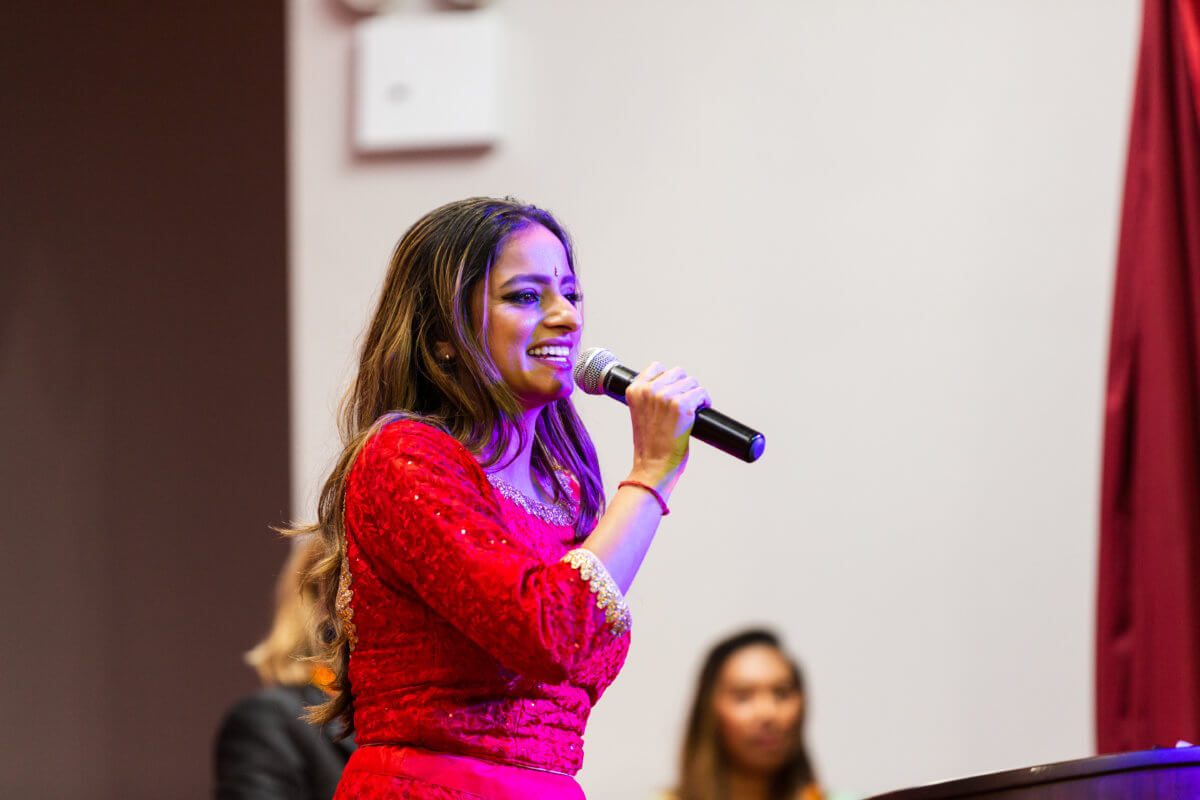
Two landmark bills introduced by state Assemblywoman Jenifer Rajkumar to expand benefits and protections for hundreds of thousands of domestic workers in New York state were recently signed into law by Gov. Kathy Hochul.
“With a new year comes a new era of dignity and respect for our domestic workers. They are a cornerstone of our economy and our society,” Rajkumar said. “By caring for our children, our aging parents and our loved ones with disabilities, they allow so many of us the flexibility to pursue careers. Domestic workers deserve the same freedom from discrimination and harassment afforded anyone at an office desk. Now, for the first time, our state’s Human Rights Law will provide them the same rights and protections as other workers. Domestic workers, overwhelmingly women of color and immigrant women, will now be treated with dignity and respect.”
Rajkumar’s first bill, A8007, writes domestic workers into the Human Rights Law of New York State. Domestic workers will now be protected from workplace harassment and discrimination just like other workers. Before now, the New York State Human Rights Law excluded domestic workers from almost all its protections.
Rajkumar’s second bill, A6077A, extends paid family leave benefits to domestic workers. Domestic workers who work at least 20 hours per week will now be entitled to paid family leave and temporary disability insurance. Previously, they needed to work at least 40 hours, despite a 20-hour minimum applying to all other industries.
“Just as domestic workers provide care for us, we must provide them the paid leave they need if they or their loved ones are sick,” Rajkumar said.
Rajkumar’s bills extend vitally needed benefits and safeguards to a workforce that has historically been overlooked and under-protected.
Domestic work is one of the fastest growing industries in the United States, with over 300,000 domestic workers and 2.7 million households relying on them in New York state alone, according to the National Domestic Workers Alliance. Working informally and behind closed doors, domestic workers are vulnerable to exploitation, harassment and discrimination.
This vulnerability disproportionately affects immigrant women and women of color, who overwhelmingly make up the domestic workforce. In New York state, 93% of domestic workers are women, 69% are immigrants, and 30% are African American.


