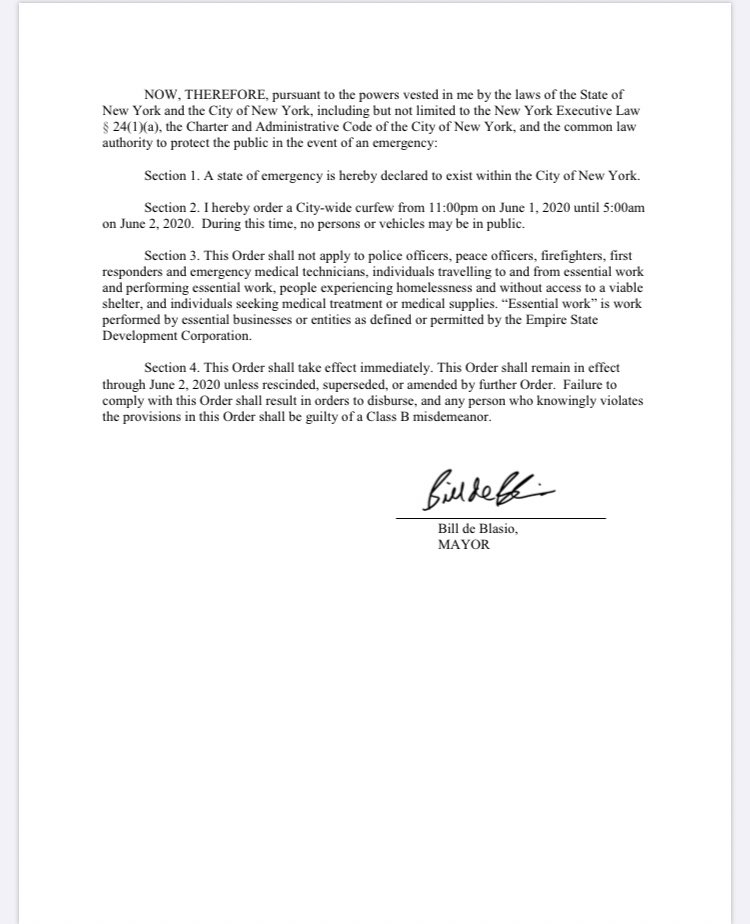
The streets of New York City, America then...

...and now.
All apologies Mr. President Washington

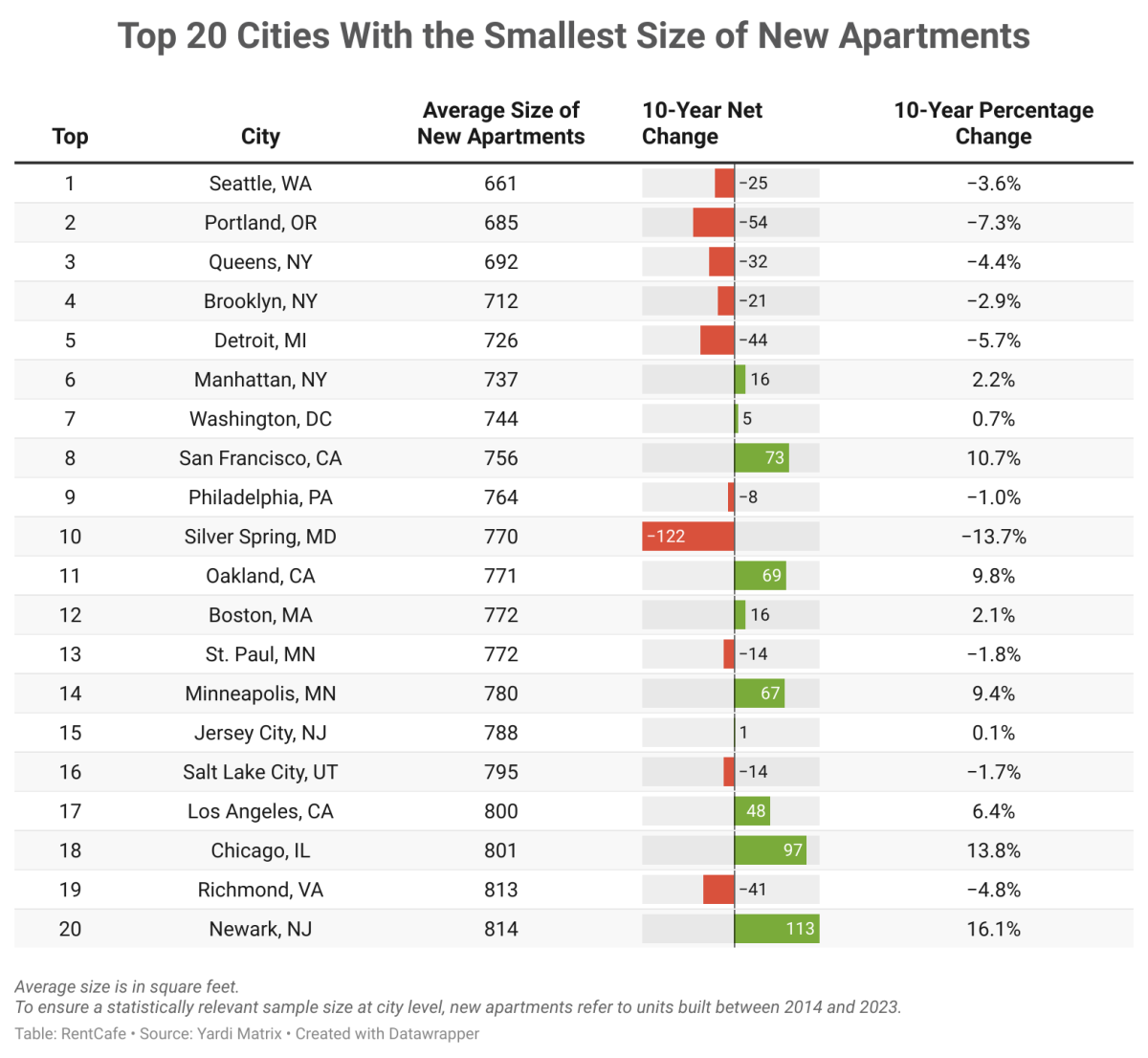
The average size of apartments in Queens was the smallest among all New York City boroughs in 2023, as well as the third-smallest among cities in the United States, according to a report by the real estate firm RentCafe.
At 692 square feet, Queens boasts slightly smaller apartments on average than Brooklyn’s 712 square feet. Among major U.S. cities, only Seattle and Portland have smaller averages, at 661 and 685 square feet respectively.
Compared to the historical average square footage of rentals in Queens, the borough had a decrease of 32 square feet over the last ten years, marking a 4.4% decline. Over the same period of time, Brooklyn had a 21 square feet decrease for a 2.9% decline.
In addition to Queens and Brooklyn, which placed third and fourth among the smallest average apartment sizes in the country, a third New York City borough, Manhattan, was found within the top ten, placing sixth at 737 square feet. However, unlike Queens and Brooklyn, Manhattan actually increased in square footage over the last decade. Apartments there grew 2.2% in the last ten years, adding 16 square feet to the average size of apartments there.
 | |
| Photo by JQ LLC |
This is one superlative no one wants their city to win. Pest control company Orkin recently released its Top 50 Bed Bug Cities List, compiled with data from the places where Orkin performed the most treatments for bed bugs from December 1, 2020, to November 30, 2021. So where’s the worst bed bug infestation?
For the second year in a row, Chicago took the top spot on Orkin’s list. Looks like bed bugs love the Windy City. Jumping a whopping 12 spots to the number two slot: Philadelphia. And rounding out the top three is New York City; the Big Apple climbed a notable nine spots from last year. Here are the top ten cities on Orkin’s 2022 list:
Baltimore fell three spots compared to last year, and Washington, D.C., fell four spots. Cities that exited the top ten include Grand Rapids, Michigan (now at number 11 this year) and Los Angeles (now at number 12). If you live in or are visiting any of these cities, it’s wise to be a little more vigilant about your susceptibility to bed bugs—and maybe stock up on some bed bug killer.

The Blaz era is finally and mercifully over but his contribution to the New Bad Days will go down in history as the greatest regression of New York City in 50 years and will surely continue to plague this town for years to come.
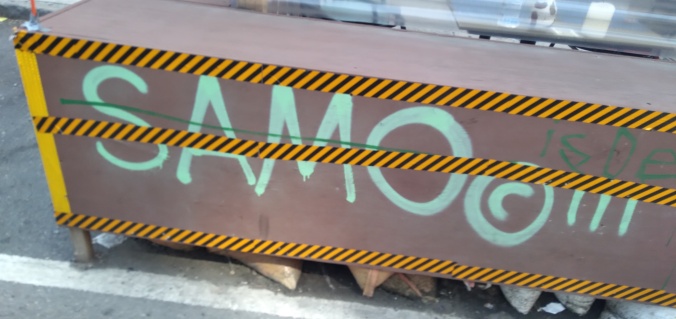
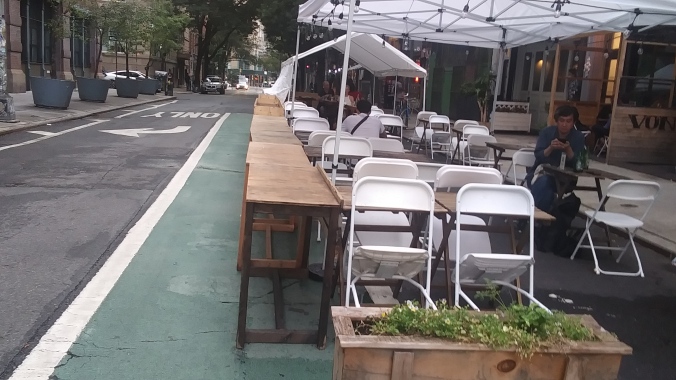
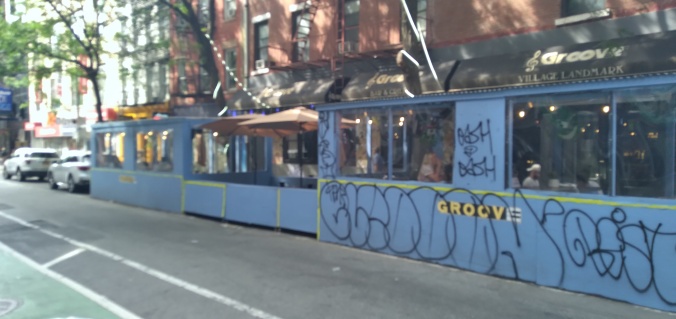
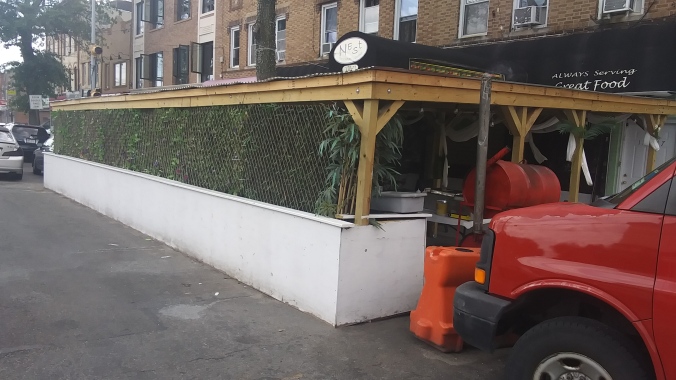
Since eating indoors was still a major risk of contagion for months on end last year, City Council and Mayor de Blasio addressed the existential threat the virus had on the dining and drinking industry and started the Open Restaurants initiative which lifted restrictions and eased regulations for restaurants to build sheds on the street curbs so patrons can come back and dine again outside of their establishments. Despite usurping parking spaces from residents, these businesses were able to recoup some losses and were able to make money again. The city also integrated this program with the Open Streets initiative to “re-imagine” public streets initially centered on cycling and pedestrian commuting by evolving them to plazas with the intent to foster community activity and keeping vehicular traffic out (both initiatives annoyingly prodded by bike zealot/car abolitionist lobby Transportation Alternatives). With the sheds on the asphalt, restaurants were able to extend their businesses by placing tables on the street, enabling to serve more customers. At the time it was logical and necessary.
Even though this was enacted for emergency purposes to keep businesses thriving in a still near dead city (with more prodding from agent of the city TransAlt weaponizing this program to banish cars) the City Council Cronies and The Blaz decided to make restaurant outdoor sheds permanent, which was buoyed by a bill written by the State Senate and signed by Mario’s Son Governor Cuomo. Now even though restaurants are under the regulatory purview of the Department of Health, the Blaz left the responsibility of monitoring the street sheds under the Department Of Buildings. If this isn’t bizarre enough, the Department of Transportation seems are wholly left out of this even though the streets are officially under their purview. And as expected with the Blaz and the Council Cronies, they conjure these laws without considering the ramifications of them as some restaurants and even non-food related establishments opportunistically took advantage of the bureaucratic fugazi of NYC’s Open Restaurants and Streets policy.